
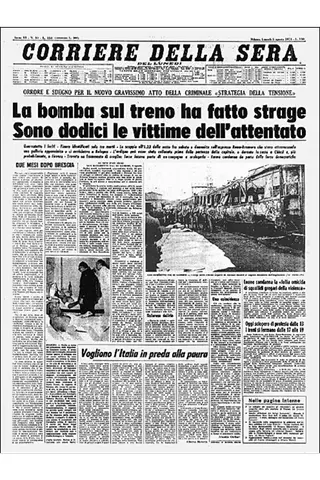
La “strage dimenticata”: è stata ribattezzata così da alcuni storici la tragedia avvenuta esattamente 48 anni fa, la domenica del 4 agosto 1974. Quel giorno, un attentato di matrice terroristica sul treno Italicus Roma-Monaco provoca 12 morti e 48 feriti sull’Appennino tosco-emiliano, a San Benedetto Val di Sambro, non lontano da Bologna. Una strage di cui non si conoscono ancora gli esecutori: tutti gli imputati processati successivamente sono stati assolti. All’1.23 della notte fra il 3 e il 4 agosto la quinta carrozza dell’Italicus Roma-Monaco fu dilaniata da uno scoppio circa cento metri dopo l’uscita dalla lunga galleria dell’Appennino. L’Espresso 1486 era partito dalla stazione di Roma Tiburtina alle 20.35 ed era transitato da Firenze Santa Maria Novella a mezzanotte e mezzo, con 23 minuti di ritardo: fu proprio questo slittamento sull’orario previsto a impedire che l’ordigno esplodesse nel punto stabilito originariamente dagli attentatori, con conseguenze prevedibilmente ancora più gravi. Dall’esame del timer della bomba, infatti, si scoprì che sarebbe dovuta esplodere mentre il treno attraversava la Grande Galleria dell’Appennino e non a 50 metri dall’uscita. Il ritardo accumulato in corsa, invece, permise di risparmiare numerose vite. A bordo, venne detto successivamente, pare che avrebbe dovuto esserci anche Aldo Moro, ma un impegno improvviso gli fece perdere il treno con il quale sarebbe dovuto andare in vacanza. Dieci anni più tardi, un altro attentato all’interno della stessa galleria, quello del rapido 904 (23 dicembre ’84), costò la vita a 16 persone e ne ferì 267.
Il 5 agosto 1974 l’attentato fu rivendicato con un volantino, ritrovato in una cabina telefonica di Bologna, nel quale era scritto: “Giancarlo Esposti è stato vendicato. Abbiamo voluto dimostrare alla nazione che siamo in grado di mettere le bombe dove vogliamo, in qualsiasi ora, in qualsiasi luogo, dove e come ci pare. Vi diamo appuntamento per l’autunno; seppelliremo la democrazia sotto una montagna di morti”. Giancarlo Esposti era un estremista di destra, ucciso nel 1974 da un carabiniere durante una fuga. Si trattava di un personaggio interno all’estrema destra a Bologna. Al volantino seguirono delle telefonate anonime al Resto del Carlino dello stesso tenore. L’autore sia del volantino che delle telefonate risultò essere Italo Bono, che venne individuato dalle forze dell’ordine la stessa sera del 5 agosto.
In un primo momento furono quattro gli imputati principali nel processo per la strage dell’Italicus ed erano tutti esponenti del gruppo neofascista “Ordine Nero”, lo stesso che aveva rivendicato l’attentato attraverso il volantino. Ma il 20 luglio 1983, il presidente della Corte d’assise di Bologna assolse tutti gli imputati per insufficienza di prove. Nel ricorso in appello, il 18 dicembre 1986, vennero condannati all’ergastolo due dei quattro imputati in primo grado: Mario Tuti e Luciano Franci. Le indagini avevano verificato la possibilità che l’ordigno fosse stato precedentemente posizionato, quando il treno era in sosta a Firenze a Santa Maria Novella, sulla quinta carrozza. Il 16 dicembre 1987, però, il giudice della Corte di Cassazione annullò le condanne sia di Mario Tuti sia di Luciano Franci. Quattro anni dopo, il 4 aprile 1991, entrambi gli imputati vennero assolti dalla Corte d’appello di Bologna, assoluzioni che furono confermate in via definitiva dalla Corte di Cassazione il 24 marzo 1992.
I colpevoli non sono quindi mai stati trovati ma, secondo la Commissione parlamentare nel 1984, “la strage dell’Italicus è ascrivibile ad una organizzazione terroristica di ispirazione neofascista o neonazista operante in Toscana; che la Loggia P2 svolse opera di istigazione agli attentati e di finanziamento nei confronti dei gruppi della destra extraparlamentare toscana; che la Loggia P2 è quindi gravemente coinvolta nella strage dell’Italicus e può ritenersene anzi addirittura responsabile in termini non giudiziari ma storico-politici, quale essenziale retroterra economico, organizzativo e morale”.
Fonte
SkyTG24 del 3 agosto 2022
Italicus, la strage dimenticata: 48 anni fa la bomba sul treno | Sky TG24
Approfondimenti
Wikipedia
Strage dell’Italicus – Wikipedia
Il Mulino – Rivista
La rivista il Mulino: 4 agosto 1974: attentato al treno Italicus
Wordpress
La strage dell'Italicus. Adriano Tilgher. Verbale 13.05.1982
Il Libro
Italicus, a cura di Paolo Bolognesi e Roberto Scardova
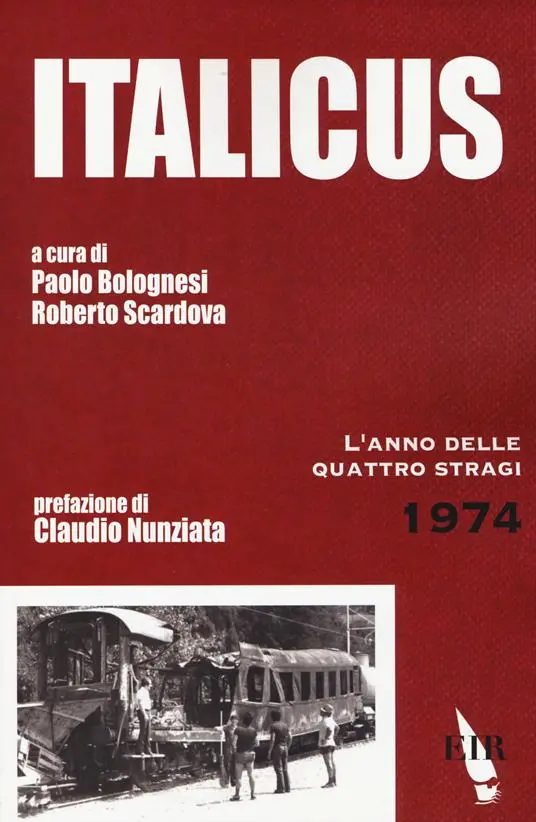
da Ibs
Video
AAMOD
RaiNews
4 agosto 1974, la strage dell’Italicus. Ancora senza colpevoli – video – Rai News
RaiPlay
La notte della Repubblica 1990 – Le stragi di Piazza della Loggia e dell’Italicus – Video – RaiPlay
Sound
Rai Play Sound
Mangiafuoco sono io | La strage dell’Italicus | Rai Radio 1 | RaiPlay Sound
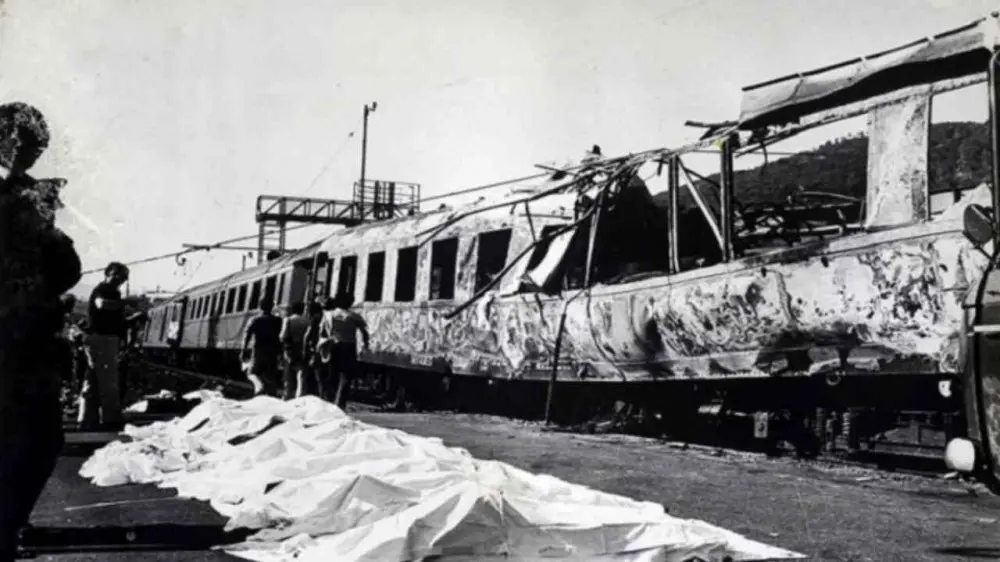
da RTL 102.5
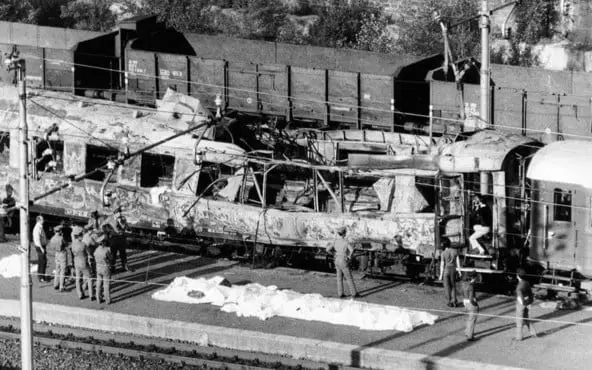
da Collettiva
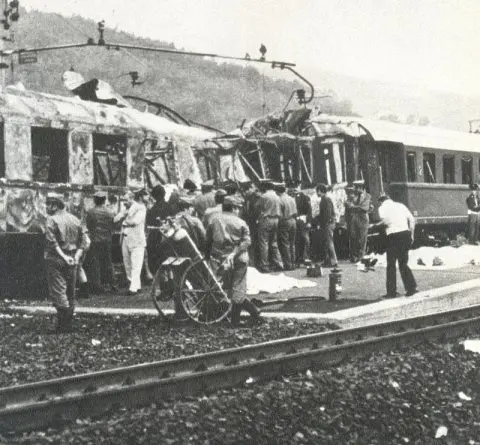
da Firenze Post
da Parentesi Storiche – Altervista
English version
Italicus massacre
The “forgotten massacre”: this is how some historians have renamed the tragedy that occurred exactly 48 years ago, on Sunday 4 August 1974. That day, a terrorist attack on the Italicus Rome-Monaco train caused 12 deaths and 48 injuries on the train. Tuscan-Emilian Apennines, in San Benedetto Val di Sambro, not far from Bologna. A massacre whose perpetrators are still unknown: all the defendants subsequently tried were acquitted. At 1.23am on the night between 3 and 4 August the fifth carriage of the Italicus Rome-Monaco was torn apart by an explosion about one hundred meters after exiting the long Apennine tunnel. The Express 1486 left the Rome Tiburtina station at 8.35pm and passed through Florence Santa Maria Novella at half past midnight, 23 minutes late: it was precisely this slippage on the scheduled time that prevented the bomb from exploding at the established point originally by the attackers, with predictably even more serious consequences. In fact, from examining the bomb’s timer, it was discovered that it should have exploded while the train was passing through the Great Apennines Tunnel and not 50 meters from the exit. The delay accumulated during the race, however, allowed numerous lives to be saved. It seems that Aldo Moro should also have been on board, it was said later, but a sudden commitment made him miss the train with which he was supposed to go on holiday. Ten years later, another attack inside the same tunnel, that of the rapid 904 (23 December 1984), cost the lives of 16 people and injured 267.
On 5 August 1974, the attack was claimed with a flyer, found in a telephone booth in Bologna, on which it was written: “Giancarlo Esposti has been avenged. We wanted to demonstrate to the nation that we can put bombs wherever we want, at any time, in any place, wherever and however we want. We’ll see you again in autumn; we will bury democracy under a mountain of deaths.” Giancarlo Esposti was a right-wing extremist, killed in 1974 by a carabiniere during an escape. He was a figure within the far right in Bologna. The flyer was followed by anonymous phone calls to Resto del Carlino from the same point. The author of both the flyer and the phone calls turned out to be Italo Bono, who was identified by the police on the same evening of August 5th.
Initially, there were four main defendants in the trial for the Italicus massacre and they were all exponents of the neo-fascist group “Black Order”, the same one that had claimed responsibility for the attack through the flyer. But on 20 July 1983, the president of the Assize Court of Bologna acquitted all the accused due to insufficient evidence. In the appeal, on 18 December 1986, two of the four defendants in the first instance were sentenced to life imprisonment: Mario Tuti and Luciano Franci. The investigations had verified the possibility that the bomb had previously been positioned, when the train was parked in Florence at Santa Maria Novella, on the fifth carriage. On 16 December 1987, however, the judge of the Court of Cassation annulled the convictions of both Mario Tuti and Luciano Franci. Four years later, on 4 April 1991, both defendants were acquitted by the Court of Appeal of Bologna, acquittals which were definitively confirmed by the Court of Cassation on 24 March 1992.
The culprits were therefore never found but, according to the Parliamentary Commission in 1984, “the Italicus massacre can be attributed to a terrorist organization of neo-fascist or neo-Nazi inspiration operating in Tuscany; that the P2 Lodge carried out the work of instigating attacks and financing groups of the Tuscan extra-parliamentary right; that the P2 Lodge is therefore seriously involved in the Italicus massacre and can even consider itself responsible in non-judicial but historical-political terms, as an essential economic, organizational and moral background”.
