
Felice Maritano partecipa alla guerra dei Balcani nelle file dell’Arma dove gli furono conferite diverse onorificenze, tra cui la promozione sul campo ad Appuntato ed una Croce di Guerra al valor militare. Dopo l’8 Settembre, viene internato in Germania fino al termine del secondo conflitto mondiale. Arrivato al termine della sua lunga carriera nelle file della Benemerita, anziché andare in pensione, sceglie di rimanere in servizio per lavorare nel Nucleo Investigativo creato dal Generale Carlo Alberto dalla Chiesa per la lotta al terrorismo. Maritano fornì un contributo decisivo nei primi successi del Nucleo stesso, che condussero all’arresto dei terroristi Carnelutti e Sabatino (e alla disfatta della colonna lodigiana delle Brigate Rosse), poi all’individuazione del covo nel quale si nascondevano Renato Curcio e Alberto Franceschini (e al loro arresto), e infine all’operazione contro la base brigatista di Robbiano di Mediglia, nei pressi di Milano (15 ottobre 1974)”. (…) “Al momento di far scattare l’operazione a Robbiano, il Nucleo speciale aveva già al suo attivo un bilancio rispettabile per la sua breve esistenza operativa: 34 arresti; 43 denunce; 193 perquisizioni domiciliari; 160 accertamenti bancari; 93 sopralluoghi; 456 rilievi fotografici; 1.050 informazioni richieste. Un segno del dinamismo del generale Dalla Chiesa e dell’impegno dei suoi uomini. Quando i Carabinieri arrivarono a Robbiano, il covo era vuoto. Alcuni militi si nascosero all’interno dell’appartamento. (…) Nell’appartamento fu trovato materiale investigativo di notevole interesse (tra cui mitra e pistole utili all’identificazione dei terroristi implicati nel rapimento del giudice Sossi), esplosivi e munizioni. Fu anche rinvenuta un’agenda di Sossi, un documento Br firmato da Sossi. Nel covo uno Sten, due mitra, un moschetto, un revolver, una carabina, tre bombe a mano tedesche, numerosi silenziatori, decine di metri di miccia e molti documenti falsi (passaporti, carte d’identità, eccetera). I tre brigatisti arrivarono uno alla volta. Alle 13 e alle 21,30 due di essi, armati di pistola con il colpo in canna (calibro 7,65 mm), furono arrestati.
Non avendo partecipato alla cattura del primo brigatista, Pietro Bassi, il maresciallo Maritano ottenne di partecipare ai turni di piantonamento successivi ed insistette per rimanere perché non voleva lasciare soli i colleghi più giovani nei momenti più rischiosi. Vista la sua esperienza, la richiesta fu accettata. Alle 21,30 partecipò alla cattura di Piero Bertolazzi, che tentò di estrarre una 7,65, ma fu bloccato dai militi. Alle 3,20, dopo un breve riposo nella branda del covo, uno scalpiccio sulla tromba delle scale mise in allarme i carabinieri (con Maritano erano di turno i brigadieri Calapai e Furno). Quello che successivamente fu identificato come il brigatista Roberto Ognibene si trovò a pochi metri da loro. Maritano intimò «Alt, Carabinieri!», ma Ognibene si dette alla fuga lungo la tromba delle scale, inseguito dai tre militi. Il silenzio della notte fu lacerato dai colpi della Smith & Wesson calibro 38 special del terrorista. I colpi raggiunsero il maresciallo, che però non si diede per vinto. Scostò Calapai per sparare contro il brigatista, lanciandosi al suo inseguimento. Continuò a sparare con la mano sporca di sangue appoggiandosi alla parete, finché quattro colpi neutralizzarono il brigatista. I due arrivarono al piano terra. Ognibene stramazzò al suolo e Maritano gli si accasciò vicino, come se volesse controllarlo. Quasi esanime, esortò ancora i due sottufficiali a catturare il brigatista. Morì durante il trasporto all’ospedale”.
Fonte
AvvocatoGuerra.it
«Il carabiniere lo si conosce solamente quando muore». Ricordo del Maresciallo Felice Maritano
Approfondimenti
UgoMariaTassinari.it
15 ottobre 1974: il br Ognibene uccide il maresciallo Maritano
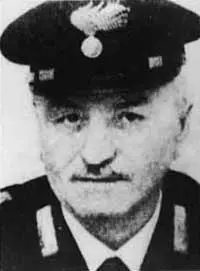
da Wikipedia
English versio
Felice Maritano, 55 years old, Major Marshal of the Carabinieri
Felice Maritano participated in the Balkan War in the ranks of the Army where he was awarded various honors, including promotion in the field to Appointed and a War Cross for military valor. After September 8th, he was interned in Germany until the end of the Second World War. Having reached the end of his long career in the ranks of the Benemerita, instead of retiring, he chooses to remain in service to work in the Investigative Unit created by General Carlo Alberto from the Church for the fight against terrorism. Maritano provided a decisive contribution in the first successes of the Nucleus itself, which led to the arrest of the terrorists Carnelutti and Sabatino (and the defeat of the Lodi column of the Red Brigades), then to the identification of the hideout in which Renato Curcio and Alberto Franceschini were hiding ( and their arrest), and finally to the operation against the Red Brigade base in Robbiano di Mediglia, near Milan (15 October 1974)”. (…) “At the time of launching the operation in Robbiano, the Special Unit already had a respectable balance sheet under its belt for its short operational existence: 34 arrests; 43 complaints; 193 house searches; 160 bank checks; 93 inspections; 456 photographic surveys; 1,050 pieces of information requested. A sign of the dynamism of General Dalla Chiesa and the commitment of his men. When the Carabinieri arrived in Robbiano, the hideout was empty. Some soldiers hid inside the apartment. (…) In the apartment, investigative material of considerable interest was found (including machine guns and pistols useful for identifying the terrorists implicated in the kidnapping of Judge Sossi), explosives and ammunition. An agenda of Sossi was also found, a Br document signed by Sossi. In the hideout a Sten, two machine guns, a musket, a revolver, a carbine, three German hand grenades, numerous silencers, dozens of meters of fuse and many false documents (passports, identity cards, etc.). The three members of the Red Brigades arrived one at a time. At 1pm and 9.30pm two of them, armed with a pistol with a round in the chamber (7.65 mm calibre), were arrested.
Having not participated in the capture of the first brigadier, Pietro Bassi, Marshal Maritano obtained participation in the subsequent picketing shifts and insisted on staying because he did not want to leave his younger colleagues alone in the most risky moments. Given his experience, the request was accepted. At 9.30 pm he took part in the capture of Piero Bertolazzi, who attempted to extract a 7.65, but was blocked by the soldiers. At 3.20, after a short rest in the cot in the hideout, a shuffling sound on the stairwell alerted the carabinieri (brigadiers Calapai and Furno were on duty with Maritano). The one who was later identified as Red Brigade member Roberto Ognibene found himself a few meters away from them. Maritano ordered “Stop, Carabinieri!”, but Ognibene fled down the stairwell, chased by the three soldiers. The silence of the night was torn by the shots of the terrorist’s Smith & Wesson 38 caliber special. The shots reached the marshal, but he did not give up. He moved Calapai aside to shoot at the Red Brigades member, launching himself in pursuit of him. He continued to shoot with his hand stained with blood, leaning against the wall, until four shots neutralized the Red Brigades member. The two arrived on the ground floor. Ognibene fell to the ground and Maritano collapsed next to him, as if he wanted to control him. Almost lifeless, he still urged the two non-commissioned officers to capture the brigadier. He died while being transported to the hospital.”
