
Era il 17 giugno 1975, una data storica e memorabile per la città di Napoli per la vittoria elettorale del PCI alle amministrative di quell’anno e perché era la prima volta nella storia della città dell’elezione di un Sindaco comunista. Il risultato delle urne, che portò all’elezione di Maurizio Valenzi, è senza precedenti: lo spoglio delle schede mostrò un netto successo del PCI e un arretramento della DC.
Quella sera in città si respirava un’aria frizzantina e faceva molto caldo. Iolanda esce di casa alla ricerca di una cabina telefonica perché aveva necessità di parlare con il fidanzato. Il quartiere in cui viveva era interessato però da un guasto alla rete telefonica e così Iolanda decise di raggiungere il fidanzato con la sua 500 a Piazza Carlo III al Cinema 2000. Parlò col fidanzato e dopo un po’ salì in auto per rientrare a casa e, nonostante l’insistenza del fidanzato per riaccompagnarla, Iolanda ripartì da sola e ignara andò incontro al suo tragico e fatale destino.
C’era grande euforia in città, in tanti scesero per strada sfilando in corteo per festeggiare una vittoria attesa e in poco tempo il centro storico si riempì di auto e di bandiere rosse. Tra quelle auto c’era anche la 500 colore azzurro guidata da Iolanda che stava percorrendo Via Foria, una delle strade storiche della città che si estende da Piazza Carlo III a Piazza Cavour attraversando i quartieri Stella, San Carlo all’Arena e San Lorenzo. Erano circa le 22, la giovane donna non poteva sapere che, nascosto dietro le scalinate di Via Tenore, vicino all’Orto Botanico, un gruppo di fascisti aveva deciso di dare una lezione a chi avesse deciso di festeggiare la vittoria del PCI. Chiusa la sezione Berta (di cui era segretario il consigliere comunale del Msi Michele Florino, detto “Nicolino ’o pazzo”) al civico 169 di Via Foria, infatti, i suoi militanti avevano preparato bottiglie molotov da lanciare sulle auto che festanti attraversavano la città, per dare sfogo alla propria rabbia per il risultato delle elezioni.
Nonostante fosse sera, faceva davvero molto caldo. Così Iolanda decide di aprire il tettuccio della sua 500: è in quel momento che una molotov colpì anche l’auto della giovane ragazza che, in fiamme, scese dall’auto per chiedere aiuto. Fu soccorsa da Vincenzo Giacco e Orlando Giannuzzi Savelli e accompagnata in condizioni disperate all’ospedale degli Incurabili.
La gioia per una vittoria attesa fu presto spezzata dalla notizia del gesto criminale che attentò alla vita di una giovane donna di appena 21 anni.
Iolanda fu successivamente trasferita a Roma dove morirà il 21 giugno dopo quattro giorni di atroce sofferenza per le gravi ustioni riportate su tutto il corpo. Sandro Pertini, allora Presidente della Camera, le rese omaggio al suo obitorio a Roma.
Il 24 giugno si tennero i suoi funerali presso la Chiesa del Carmine a Napoli. La salma della ragazza fu salutata da migliaia di studenti e lavoratori che assieme a comunisti e antifascisti napoletani sfilarono silenziosi in corteo verso Via Foria. Nel luogo dove Iolanda trovò la morte, ad attendere la sua bara e la folla di gente uno spiegamento di forze dell’ordine disposto a difesa della sezione Berta. Il dolore fu interrotto dalla rabbia per uno striscione dei fascisti recante la scritta “Solo Dio può fermare la volontà fascista, gli uomini e le cose no”. Una violenza inaudita che non si ferma nemmeno di fronte al dolore della famiglia, dei compagni e di una città intera che alza la testa e si stringe attorno a Iolanda. La Sezione Berta è ancora lì, è passata dal Movimento Sociale a Casapound.
Nel 2015, grazie all’amministrazione di Luigi de Magistris, la giovane donna viene ricordata con l’apposizione di una targa in sua memoria proprio sulle scalinate di Via Foria, perché “fare memoria” è un dovere da dover rendere a chi perde la vita per mano violenta e criminale, un impegno verso i familiari delle vittime, verso la comunità e la città, ma prima ancora verso tutte e tutti noi che viviamo il nostro tempo senza rassegnazione.
Racconto di Maria Lippiello, 17 giugno 20121, su
Formturismosotenibile.it
Iolanda Palladino vittima innocente dei fascisti, il diritto di non dimenticare! | Forum turismo sostenibile
Uno degli squadristi coinvolti nell’attacco scappa ad Ischia, dove viene intercettato dalla polizia. È Umberto Fiore, cameriere ventenne. Decide subito di confessare, diventando quasi un capro espiatorio per gli altri coinvolti nell’attentato. Da lì a poco gli altri due assassini vengono scoperti: sono Giuseppe Torsi, operaio di 19 anni e Bruno Torsi, apprendista di 16 anni. La Corte d’Assise di Roma, nel 1977, condanna i tre imputati a pene dai sei anni e otto mesi a due anni e dieci mesi. Il segretario della sezione, Michele Florino, verrà assolto dall’accusa di favoreggiamento, e tutt’oggi si dissocia sommariamente dai fatti. Le pene, già magre, non verranno nemmeno scontate a causa di condoni e riduzioni in appello.
Fonte
Sulsud.it
Approfondimenti
La Repubblica
IOLANDA PALLADINO, PER NON DIMENTICARE – la Repubblica.it
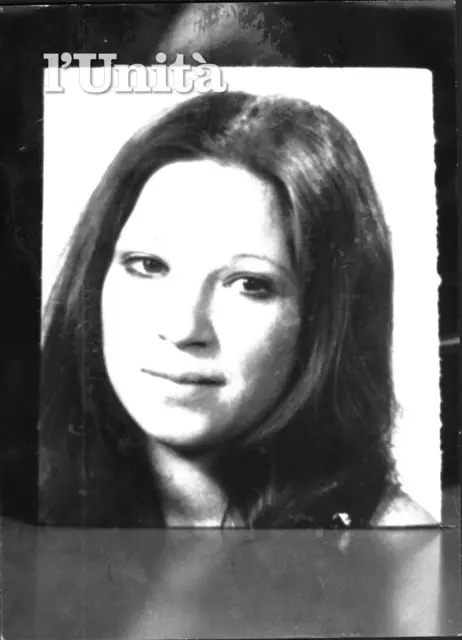
da Osservatorio Repressione
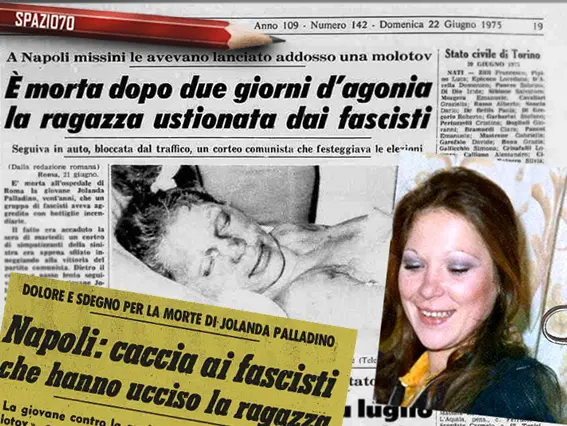
da Spazio70
English version
Iolanda Palladino, 20 years old, student
It was June 17, 1975, a historic and memorable date for the city of Naples due to the electoral victory of the PCI in the local elections of that year and because it was the first time in the history of the city that a communist Mayor was elected. The result of the polls, which led to the election of Maurizio Valenzi, is unprecedented: the counting of the ballots showed a clear success of the PCI and a retreat of the DC.
That evening in the city the air was crisp and it was very hot. Iolanda leaves the house in search of a telephone booth because she needed to talk to her boyfriend. However, the neighborhood in which she lived was affected by a telephone network failure and so Iolanda decided to join her boyfriend with her 500 in Piazza Carlo III at Cinema 2000. She spoke to her boyfriend and after a while she got into the car to go home and , despite her boyfriend’s insistence to accompany her back, Iolanda left alone and unaware she met her tragic and fatal fate.
There was great euphoria in the city, many took to the streets in a procession to celebrate an expected victory and in a short time the historic center was filled with cars and red flags. Among those cars there was also the light blue 500 driven by Iolanda which was traveling along Via Foria, one of the historic streets of the city which extends from Piazza Carlo III to Piazza Cavour through the Stella, San Carlo all’Arena and San Lorenzo districts. It was around 10pm, the young woman could not have known that, hidden behind the steps of Via Tenore, near the Botanical Garden, a group of fascists had decided to teach a lesson to anyone who had decided to celebrate the victory of the PCI. The Berta section (of which MSI municipal councilor Michele Florino, known as “Nicolino ‘o crazy”) at number 169 of Via Foria was closed, in fact, its militants had prepared Molotov cocktails to throw on the cars that were crossing the city in celebration , to give vent to their anger at the outcome of the elections.
Even though it was evening, it was really very hot. So Iolanda decides to open the roof of her 500: that’s when a Molotov cocktail also hit the young girl’s car who, on fire, got out of the car to ask for help. She was rescued by Vincenzo Giacco and Orlando Giannuzzi Savelli and accompanied in desperate conditions to the Incurables hospital.
The joy of an expected victory was soon shattered by the news of the criminal act which attempted the life of a young woman aged just 21.
Iolanda was subsequently transferred to Rome where she died on June 21st after four days of atrocious suffering due to the severe burns reported all over her body. Sandro Pertini, then President of the Chamber, paid homage to her at her morgue in Rome.
On June 24, her funeral was held at the Chiesa del Carmine in Naples. The girl’s body was greeted by thousands of students and workers who, together with Neapolitan communists and anti-fascists, marched silently in procession towards Via Foria. In the place where Iolanda died, waiting for her coffin and the crowd of people was a deployment of police forces ready to defend the Berta section. The pain was interrupted by anger at a fascist banner bearing the words “Only God can stop the fascist will, not men and things”. An unprecedented violence that does not stop even in the face of the pain of the family, of her companions and of an entire city that raises its head and rallies around Iolanda. The Berta Section is still there, it has moved from the Social Movement to Casapound.
In 2015, thanks to the administration of Luigi de Magistris, the young woman was remembered with the placing of a plaque in her memory right on the steps of Via Foria, because “remembering” is a duty to be paid to those who lose their lives by violent and criminal hands, a commitment towards the families of the victims, towards the community and the city, but even before all of us who live our time without resignation.
