
22 novembre, giornata storta. Il cielo grigio promette la pioggia e il vento se la prende con chi passa per le strade di Roma, quasi urlando che è meglio per tutti restare a casa. Ci sono giorni, però, in cui la libertà non accetta di restare casa. Non lo accetta l’8 giugno del 1960, tra Catete e Bengo, quando alla notizia dell’arresto di António Agostinho Neto una folla di sostenitori del Movimento Popolare per la Liberazione dell’Angola (MPLA) si mette in marcia reclamando il rilascio del loro leader. E non lo accetta nemmeno in Italia, il 22 novembre del 1975, mentre un corteo di duemila persone affronta il freddo intenso per chiedere a gran voce il riconoscimento dell’indipendenza della nazione africana, uscita vincitrice dal confronto con il regime coloniale portoghese. (…) Dalla testa del corteo che si snoda tra piazza Santa Maria Maggiore e piazza Navona si sgancia un gruppetto di giovanissimi militanti di Lotta Continua. I duemila che hanno preso parte alla manifestazione continuano a gridare slogan contro l’imperialismo e a salutare, nell’Angola di Neto, un altro paese in cui il marxismo ha consentito di portare al potere un rappresentante del proletariato. Le parole d’ordine della manifestazione sono musica per le orecchie dei ragazzi che imboccano via Muratori: lì, all’incrocio con largo Mecenate, c’è il cancello dell’ambasciata dello Zaire, uno Stato che attraverso il governo del feroce Mobutu sostiene per conto degli Stati Uniti le forze che si oppongono ai movimenti popolari in Africa centrale. Nell’animo di quel pugno di manifestanti c’è la volontà di andare oltre gli slogan e per questo, istruiti dal servizio d’ordine di Lc, alcuni giovani stringono tra le mani biglie d’acciaio e bocce piene di benzina, l’ingrediente necessario per portare a termine un’azione dimostrativa; una “fiammata”, come si diceva negli anni Settanta, da accendere in faccia ai nemici della Repubblica popolare dell’Angola per fare arrivare fino in Africa il rumore del Movimento e la sua solidarietà.
Idee ambiziose, quelle che girano per Roma il 22 novembre. Idee destinate a restare sull’asfalto. Perché quando il gruppo di ragazzi arriva a intravedere il portone dell’ambasciata dello Zaire si sente gridare: «Eccoli! Eccoli!».
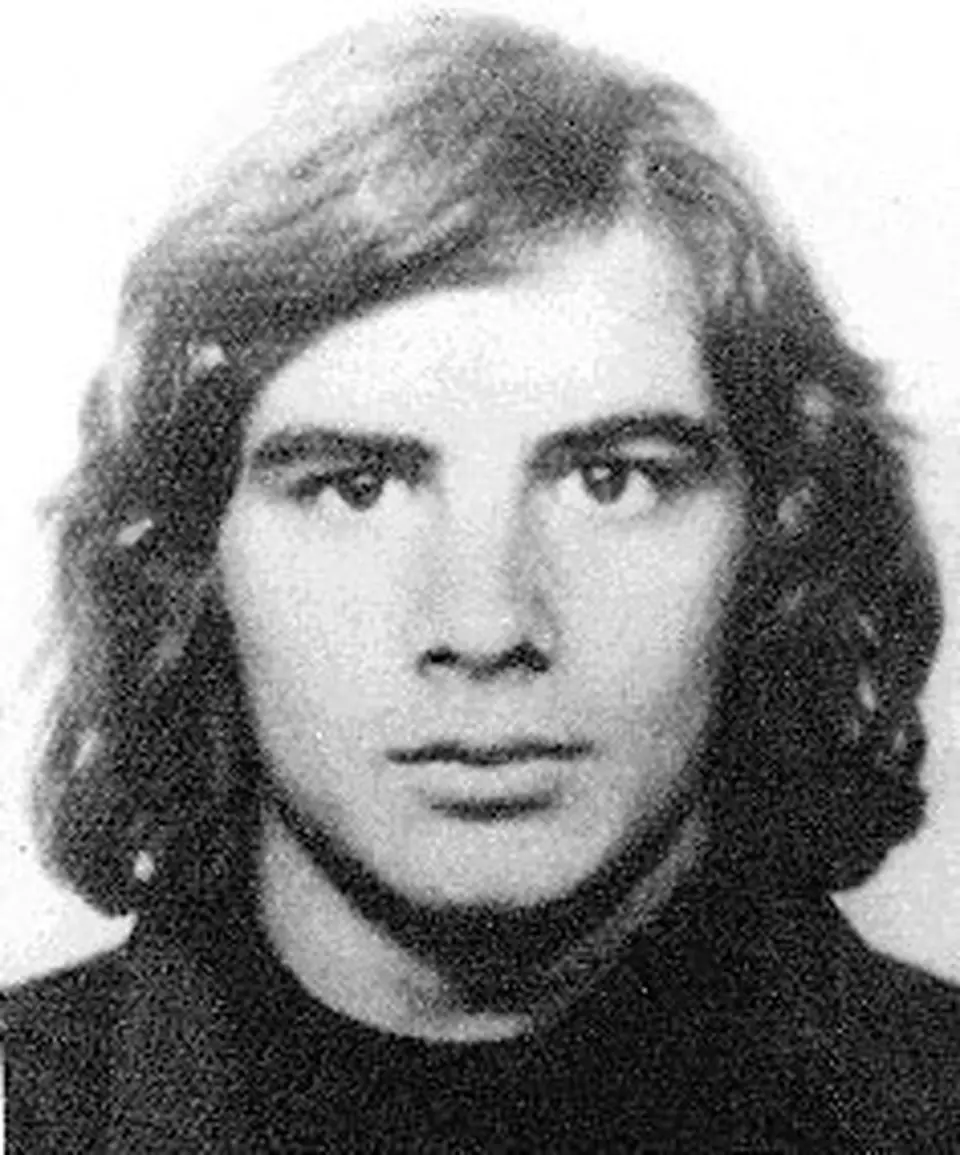
Non c’è nemmeno il tempo di indietreggiare. Un gruppo di poliziotti e carabinieri, appostato nelle vicinanze, inizia a sparare. Le bottiglie incendiare volano senza procurare danni. Viene lanciato qualche sasso e due macchine, trascinate in mezzo alla strada, sono rovesciate per evitare una carica. Per difendersi è troppo tardi: due manifestanti sono feriti alla testa ma, miracolosamente, riescono a mettersi in salvo rientrando nel corteo; un terzo, colpito alla schiena, si accascia: il suo nome è Piero Bruno. Sulla sua carta di identità c’è scritto che è nato a Roma l’8 dicembre del 1957. (…) In via Muratori, Piero è solo un corpo che urla di dolore: qualcuno gli si avvicina tentando di metterlo in salvo ma neppure adesso, quando è palese che nessuno è più in grado di nuocere in alcun modo, viene dato l’ordine di far tacere le armi. Il soccorritore viene colpito a un braccio e le pallottole infieriscono ancora sul ragazzo steso a terra ferendolo nuovamente, questa volta al ginocchio. Tanto basta ai tutori dell’ordine per sentirsi finalmente padroni della situazione. Un agente senza divisa esce allo scoperto e il modo in cui tratta Piero non sfugge allo sguardo allibito di una signora affacciata alla finestra di casa sua, in via Muratori:
“Ho […] sentito che il ragazzo disteso per terra di lamentava e contemporaneamente ho visto un uomo in borghese sbucare attraverso i poliziotti che si è avvicinato di corsa al ragazzo, disteso per terra urlando, presso a poco «Ti pare questo il modo di ammazzare un collega» e ancora, «Cane, bastardo, carogna», ho quindi visto che l’uomo ha puntato la pistola verso il ragazzo disteso per terra, urlando «Ti ammazzo» e ho sentito il clic del grilletto. Il ragazzo ha gridato «No» ed ha fatto il gesto di coprirsi il volto con le mani. Quindi l’uomo, chinandosi sul ragazzo gli ha detto «ma io ti ammazzerei veramente» e lo ha scosso (dichiarazioni rese da una testimone alla competente autorità giudiziaria, 1975)”.
L’ospedale San Giovanni è vicinissimo al luogo dell’agguato ma, anziché correre al pronto soccorso, si preferisce trascinare il ferito per decine di metri per fare in modo che il suo corpo finisca molto più vicino all’ambasciata dello Zaire e dare l’idea che i proiettili lo abbiano raggiunto mentre attaccava la polizia e non, come è accaduto, mentre tentava la fuga. Gli stessi bossoli, esplosi in una quantità così numerosa da formare un tappeto lungo la strada insanguinata, vengono raccolti in fretta: l’esatto ammontare del loro numero, in questo modo, non potrà mai più essere appurato.
Intanto si perde tempo prezioso. Sono soltanto le venti e trenta quando, con i proiettili in corpo e addosso il pallore dei morti, Piero Bruno entra in sala operatoria. Per “sicurezza” la polizia lo piantona come se fosse nelle condizioni di poter scappare da un momento all’altro. Piero riesce a superare la notte ma, dopo due interventi chirurgici e il sopraggiungere di un blocco renale, nel pomeriggio del 23 novembre del 1975 smette di respirare.
Ma chi ha ucciso Piero Bruno? E’ stato possibile risalire all’identità dei militi che, agli ordini del vicequestore Ignazio Lo Coco, aprirono il fuoco il pomeriggio del 22 novembre 1975. I loro nomi, con le loro testimonianze, sono ancora lì, insieme ai buchi sui palazzi di via Muratori, tra le carte di un’inchiesta aperta dalla Magistratura per fare luce sul caso.
Si tratta del sottotenente dei carabinieri Saverio Bossio: «Ho esploso due colpi di pistola in direzione di un gruppo di persone col volto coperto che si trovava alla fine di via Muratori dalla parte del quadrivio».
Della guardia di pubblica sicurezza Romano Tammaro: «Mi sono avvicinato a loro sulla destra, ed ho visto un ragazzo a terra e due che lo trascinavano. Ho preso la pistola ed ho esploso dei colpi a scopo intimidatorio. I colpi erano diretti a terra».
E del carabiniere Pietro Colantuono: «I colpi che ho sparato, stando in piedi, li ho esplosi con l’avambraccio ad angolo retto rispetto al braccio, e quelli che ho esploso da terra, con l’avambraccio verso l’alto sempre in direzione del gruppo di giovani».
Fonte
Armati.info
Piero Bruno: passione e morte di uno studente comunista
Approfondimenti
Ugo Maria tassinari
22 novembre 1975. De Luca: Pietro Bruno l’ho mandato a morire io
Il Messaggero
RetiInvisibili.net
Video
Arco Iris tv
da O capitano Mio capitano
English version
Pietro Bruno, 18 years old, student
November 22nd, wrong day. The gray sky promises rain and the wind takes it out on those who pass through the streets of Rome, almost screaming that it is better for everyone to stay at home. There are days, however, when freedom does not accept to stay at home. He does not accept it on June 8, 1960, between Catete and Bengo, when at the news of the arrest of António Agostinho Neto a crowd of supporters of the People’s Movement for the Liberation of Angola (MPLA) sets out demanding the release of their leader. And he does not accept it even in Italy, on November 22, 1975, while a procession of two thousand people faces the intense cold to call out loud for the recognition of the independence of the African nation, which emerged victorious from the confrontation with the Portuguese colonial regime. (…) From the head of the procession that winds between Piazza Santa Maria Maggiore and Piazza Navona, a small group of very young militants of Lotta Continua is unhooked. The two thousand who took part in the demonstration continue to shout slogans against imperialism and to greet, in Neto’s Angola, another country in which Marxism has made it possible to bring a representative of the proletariat to power. The watchwords of the event are music to the ears of the boys who take Via Muratori: there, at the intersection with Largo Mecenate, there is the gate of the embassy of Zaire, a state that through the government of the fierce Mobutu supports on behalf of the United States the forces that oppose the popular movements in Central Africa. In the soul of that handful of demonstrators there is the will to go beyond the slogans and for this reason, instructed by the order service of Lc, some young people squeeze steel marbles and bowls full of gasoline in their hands, the ingredient necessary to carry out a demonstrative action; a “flame”, as it was said in the seventies, to be lit in the face of the enemies of the People’s Republic of Angola to bring the noise of the Movement and its solidarity to Africa.
Ambitious ideas, those that revolve around Rome on November 22. Ideas destined to stay on the asphalt. Because when the group of boys comes to catch a glimpse of the door of the Zaire embassy they hear shouting, “Here they are! Here they are!”
There is not even time to back down. A group of policemen and carabinieri, stationed nearby, start shooting. Burning bottles fly without causing any damage. A few stones are thrown and two cars, dragged in the middle of the road, are overturned to avoid a charge. It is too late to defend themselves: two protesters are wounded in the head but, miraculously, they manage to get to safety by returning to the procession; a third, hit in the back, falls down: his name is Piero Bruno. On his identity card it is written that he was born in Rome on December 8, 1957. (…) In via Muratori, Piero is just a body that screams in pain: someone approaches him trying to save him but not even now, when it is clear that no one is able to harm in any way anymore, the order is given to silence the weapons. The rescuer is hit in the arm and the bullets still rage on the boy lying on the ground injuring him again, this time to the knee. It is enough for law enforcement guardians to finally feel in masters of the situation. An agent without a uniform comes out into the open and the way he treats Piero does not escape the stunned gaze of a lady looking out the window of his house, in via Muratori:
“I […] felt that the boy lying on the ground was complaining and at the same time I saw a man in plainclothes coming out through the policemen who ran up to the boy, lying on the ground screaming, almost ‘You think this is the way to kill a colleague’ and again, ‘Dog, bastard, carrion’, I then saw that the man pointed the gun at the boy lying on the ground, shouting ‘I’ll kill you’ and I heard the click of the trigger. The boy shouted ‘No’ and made the gesture of covering his face with his hands. So the man, leaning over the boy told him ‘but I would really kill you’ and shook him (statements made by a witness to the competent judicial authority, 1975)’.
The San Giovanni hospital is very close to the place of the ambush but, instead of running to the emergency room, it is preferred to drag the wounded man for tens of meters to make sure that his body ends up much closer to the Zaire embassy and give the idea that the bullets reached him while attacking the police and not, as happened, while trying to escape. The same casings, which exploded in such a large quantity as to form a carpet along the bloody road, are collected quickly: the exact amount of their number, in this way, can never be ascertained again.
In the meantime, precious time is wasted. It’s only twenty thirty when, with the bullets in his body and on the pallor of the dead, Piero Bruno enters the operating room. For “security” the police plant it as if it were in a position to be able to escape at any moment. Piero manages to get through the night but, after two surgeries and the coming of a kidney block, on the afternoon of November 23, 1975 he stops breathing.
But who killed Piero Bruno? It was possible to trace the identity of the soldiers who, under the orders of Deputy Quaestor Ignazio Lo Coco, opened fire on the afternoon of November 22, 1975. Their names, with their testimonies, are still there, along with the holes in the buildings in via Muratori, among the papers of an investigation opened by the Judiciary to shed light on the case.
This is the sub-lieutenant of the carabinieri Saverio Bossio: ‘I exploded two gunshots in the direction of a group of people with their faces covered who were at the end of Via Muratori on the side of the quadrivio’.
Of the public security guard Romano Tammaro: “I approached them on the right, and I saw a boy on the ground and two dragging him. I took the gun and fired shots for intimidating purposes. The blows were directed to the ground.’
And of the carabiniere Pietro Colantuono: ‘The shots I fired, standing up, I exploded with my forearm at right angles to my arm, and the ones I exploded from the ground, with my forearm upwards always in the direction of the group of young people.’
