
Giovambattista Crisci, già maresciallo di Pubblica Sicurezza a Viareggio, ha pubblicato “Un’alba vigliacca”, in cui racconta una delle pagine più brutte dell’Italia repubblicana anni ’70.
L’alba “vigliacca” in questione è quella del 22 ottobre 1975, in cui, sotto i colpi di due malfattori, furono uccisi in un casolare di Montiscendi (Pietrasanta, siamo in Toscana) tre agenti di pubblica sicurezza: Giovanni Mussi, Giuseppe Lombardi e Armando Femiano, mentre un quarto, proprio Giovambattista Crisci, fu seriamente ferito e ha lottato mesi tra la vita e la morte.
L’alba vigliacca è altrimenti conosciuta come “la strage di Querceta”, ancora oggi viva nella memoria della gente. Perché, innanzitutto, è stata un’esecuzione efferata, ma anche un caso militare e politico. Militare perché gli agenti sono stati presi alla sprovvista da una reazione criminale e spietata. Politico perché uno dei malfattori, Massimo Battini, dopo la resa, in Tribunale, si proclamò prigioniero politico e si disse appartenente al gruppo “Lotta armata per il comunismo”.
Cosa è accaduto quella mattina? Una ventina di agenti (ma forse, secondo alcune ultime testimonianze, erano anche di più), allertati dalla notizia che in un casolare potessero esserci dei delinquenti (il giovanissimo Giuseppe Federigi e il pericolosissimo Massimo Battini, autori di furti e rapine), si appostarono e circondarono questo casolare dove abitava la famiglia Federigi. Crisci, assieme ai colleghi Mussi, Lombardi e Fermiano, entrarono nell’edificio e vennero affrontati dal Federigi appena svegliato, però ancora in mutande. Il giovane, con una mossa astuta, chiese loro il permesso di rientrare in camera per vestirsi. I poliziotti lo attesero, nessuno mise mano ad armi, poi spazientitisi del ritardo tentarono di entrare nella camera, ma da qui li raggiunse un’improvvisa sventagliata di mitra che non lasciò loro scampo. Dalla camera uscì Battini che, non contento della strage appena compiuta, infierì sui cadaveri e ferì in modo gravissimo Crisci che era ancora illeso. Battini e Federigi, sempre sparando, uscirono poi nel cortile, ma qui furono circondati dagli altri poliziotti e finalmente presi. Sicché seguirono interminabili processi conclusi con condanne esemplari. Battini tuttavia, che si disse prima “prigioniero politico” poi “pentito”, nel Duemila se ne poté tornare a casa. Così, anche prima, Federigi.
Gli assassini sono stati processati e condannati inizialmente all’ergastolo. Poi, però, a seguito della Legge Gozzini del 1984, che dava benefici a chi si dissociava dalla lotta armata, la pena scese dapprima a 30 anni e infine a 20.
Fonte
DaBitonto
Approfondimenti
Querceta, 22 ottobre 1975: la strage dei Poliziotti | Segreti della storia
La strage di Querceta: intervista ad Angelo Michele Lombardi
Il libro
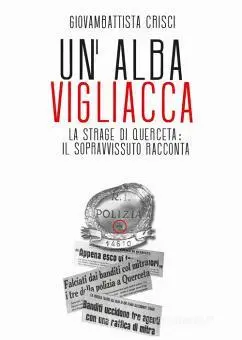
da Libreria Universitaria
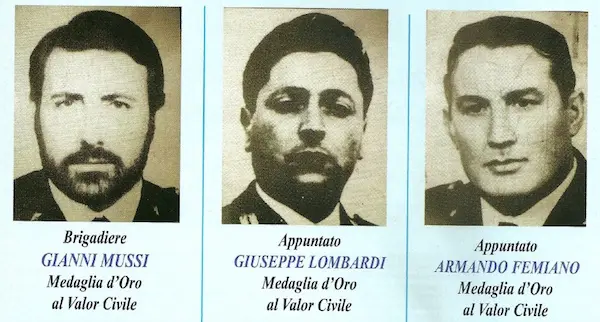
da daBitonto
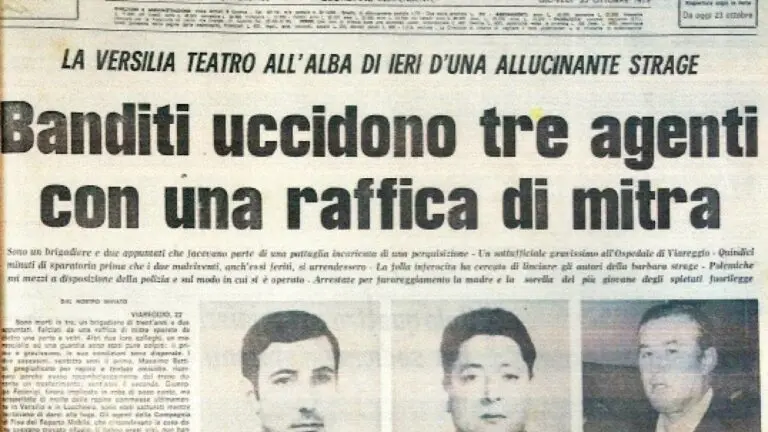
da Welcome2Lucca
English version
Armando Femiano, 47 years old, deputy brigadier of Public Security
Giuseppe Lombardi, 53 years old, Public Security officer
Gianni Mussi, 30 years old, Third Class Public Security Marshal
Giovambattista Crisci, former Marshal of Public Security in Viareggio, published “Un’alba cowardly”, in which he recounts one of the ugliest pages of republican Italy in the 1970s.
The “cowardly” dawn in question is that of 22 October 1975, in which, under the blows of two criminals, three public security agents were killed in a farmhouse in Montiscendi (Pietrasanta, we are in Tuscany): Giovanni Mussi, Giuseppe Lombardi and Armando Femiano, while a fourth, Giovambattista Crisci, was seriously injured and fought for months between life and death.
The cowardly dawn is otherwise known as “the Querceta massacre”, still alive in people’s memories today. Because, first of all, it was a brutal execution, but also a military and political case. Military because the agents were caught off guard by a criminal and ruthless reaction. Political because one of the criminals, Massimo Battini, after his surrender, proclaimed himself a political prisoner in court and said he belonged to the “Armed struggle for communism” group.
What happened that morning? About twenty officers (but perhaps, according to some latest testimonies, there were even more), alerted by the news that there might be criminals in a farmhouse (the very young Giuseppe Federigi and the very dangerous Massimo Battini, perpetrators of thefts and robberies), took up positions and surrounded this farmhouse where the Federigi family lived. Crisci, together with colleagues Mussi, Lombardi and Fermiano, entered the building and were confronted by Federigi who had just woken up, but was still in his underwear. The young man, with a cunning move, asked them for permission to return to the room to get dressed. The police waited for him, no one put their hands to weapons, then, growing impatient with the delay, they tried to enter the room, but from here a sudden burst of machine gun fire reached them which left them no escape. Battini came out of the room and, not happy with the massacre he had just committed, attacked the corpses and seriously injured Crisci who was still unharmed. Battini and Federigi, still shooting, then went out into the courtyard, but here they were surrounded by the other policemen and finally caught. So there followed interminable trials which ended with exemplary sentences. However, Battini, who first called himself a “political prisoner” and then a “repentant”, was able to return home in 2000. So, even before, Federigi.
The murderers were tried and initially sentenced to life imprisonment. Then, however, following the Gozzini Law of 1984, which gave benefits to those who dissociated themselves from the armed struggle, the sentence dropped first to 30 years and finally to 20.
