
L’azione.
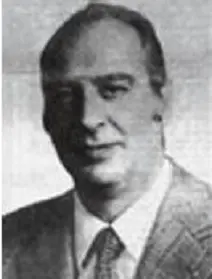
Il 10 febbraio 1978 verso mezzogiorno due giovani entrano nello storico Palazzo Fiorelli dal portone di via del Ceppo Vecchio 5, davanti al Castello dell’imperatore. Un terzo, probabilmente, rimane sulla strada a far da palo. I due salgono le scale e raggiungono il primo piano, si calano il passamontagna sul volto e irrompono nell’appartamento in cui si trovano gli studi di un notaio e di un geometra. Il loro obiettivo è il notaio Gianfranco Spighi, fiorentino, 57 anni, un professionista molto noto in città. I due giovani entrano impugnando le pistole. Uno dei due, con il passamontagna verde, va a prendere il geometra Piero Serafini e lo porta nella stanza dello studio notarile dove lavorano tre impiegati, Giuseppe Gigli, Gherardo Caramelli e Pietro Raddi. Lì riuniti li tiene sotto la minaccia dell’arma: «Non vi muovete, sporchi bastardi».
Lo sparo.
Intanto l’altro, “basso e magrolino” col passamontagna blu, entra nella stanza dove il notaio sta firmando alcuni documenti assistito dalla segretaria Gina Cavalenza. Sono seduti al tavolo e voltano le spalle alla porta d’ingresso, la moquette attutisce i passi del giovane, il notaio non lo sente arrivare. Si ritrova alle spalle il ragazzo che gli punta la pistola: «Non ti muovere, anche tu sei il solito bastardo». Spighi reagisce d’impulso come se non fosse una cosa seria: «Non facciamo scherzi, Carnevale è passato da un pezzo». «Non scherzo», replica il giovane. Spighi si alza, c’è una breve colluttazione, il notaio prende il giovane per un braccio e lo spinge nell’atrio: «Toglietevi dai coglioni». Il giovane si divincola e lo guarda: «Ok, tu mi mandi via e io ti sparo». E lo fa. Un colpo di pistola calibro 7,65 al petto da distanza ravvicinata, il proiettile recide l’arteria polmonare. Spighi si accascia su una poltrona in un lago di sangue, chiede aiuto, poi cade in avanti sul pavimento. Morirà mentre l’ambulanza lo porta al pronto soccorso. I due giovani scappano, uno di loro perde il passamontagna verde sulle scale, poi li vedono correre a gambe levate in direzione di piazza delle Carceri.
Rapina, anzi no.
Prato è colpita dall’omicidio, ma l’ombra del terrorismo non si affaccia. Il giorno dopo i quotidiani titolano “notaio ucciso da giovani rapinatori”. Quella sera in città c’è Bettino Craxi, neo segretario del Psi, nel salone dell’Artigianato in piazza Ciardi per presentare il programma economico del partito, quel fatto di cronaca non suscita interesse. Nelle stesse ore la polizia ritrova al Bar Adalgisa in via Pallacorda, una stradina dietro Palazzo Fiorelli, due pistole, un loden e un passamontagna in una borsa di cuoio. Dalla borsa si risale a Elfino Mortati. E la prospettiva cambia.
L’aspirante terrorista.
La sua faccia da ragazzino finisce su tutti i giornali ma Elfino a Prato già lo conoscono bene. Anche le forze dell’ordine. Ha poco più di 18 anni, frequenta le Magistrali ed è il leader di Autonomia in città. Si è già segnalato per la sua presenza in altre azioni dei mesi precedenti: l’occupazione della sede dell’Unione commercianti, un attentato alla caserma dei carabinieri, un altro a un lanificio. È già stato arrestato perché gli hanno trovato a casa i volantini di rivendicazione di un assalto all’azienda di pulizie Magni & Gori in via Strozzi. E solo pochi giorni prima un ordigno era esploso davanti alla sede della Dc in piazza San Domenico. Un rosario di episodi che avevano ricordato anche ai pratesi come quegli fossero anni difficili. Il 29 marzo dell’anno prima solo per fortuna non c’erano state vittime in un assalto alla sede di Tecnotessile, nel palazzo dell’Unione industriale in via Valentini, quando un commando delle Unità comuniste combattenti aveva fatto irruzione a volto scoperto rinchiudendo gli impiegati nel bagno e facendo esplodere un ordigno a tempo che aveva incendiato e distrutto tutti i macchinari. Ma stavolta c’è un morto. Anzi due, visto che due anni dopo l’omicidio Spighi, la vedova del notaio, Laura Sandri, 59 anni, si ucciderà sparandosi un colpo di pistola nella casa di Firenze. “Non ne posso più, non riesco a vivere”, lascia scritto in un biglietto.
Matrice e obiettivi.
Il nome di Elfino dà una matrice politica all’azione. Poi arriverà anche la rivendicazione firmata dal “Gruppo di lotta armata per il comunismo Dante Di Nanni” (un vecchio partigiano), nell’orbita di Autonomia operaia. Nel comunicato l’omicidio viene definito un “incidente tecnico”. L’obiettivo dell’azione, come ribadirà anni dopo Mortati, era quello «di fare alcune scritte sui muri e bruciare le cambiali degli operai che Spighi teneva in cassaforte». Sempre Mortati ammise che c’era probabilmente anche la volontà di «mettersi in luce» agli occhi dei terroristi veri, le Brigate Rosse.
Latitanza e caso Moro.
Elfino si dà alla latitanza, viene ospitato a Firenze, Bologna e Roma dai “compagni”. La sua fuga si conclude alla stazione di Pavia il 2 luglio, dove viene arrestato. In quei 5 mesi trova anche il modo di entrare nell’inchiesta Moro. Dice di essere entrato in contatto con le Br e di aver dormito in un covo nel ghetto di Roma, a un passo da via Caetani, dove fu trovato il corpo di Moro. Sono quelli proprio i giorni del sequestro Moro. Sarebbe una novità clamorosa, ma lo scoop non troverà conferme, nonostante l’impegno dei giudici Priore e Imposimato che passeranno giornate a perlustrare strade e palazzi del ghetto insieme a Mortati.
Condanna e carcere.
Chiusa l’inchiesta sull’omicidio Spighi, il processo si apre il 9 aprile 1980 in Corte d’Assise a Firenze con 19 persone a giudizio per banda armata e associazione sovversiva. Mortati coglie l’occasione per prendersi la scena e recitare la parte del leader rivoluzionario: rifiuta la difesa e il processo, insulta il presidente della Corte, cerca di leggere un comunicato facendosi cacciare dall’aula, fa analisi, espone strategie e invita l’Autonomia a entrare in clandestinità, a fare il salto nella lotta armata. Deve anche farsi perdonare il fatto di aver collaborato con le forze dell’ordine subito dopo l’arresto, raccontando la sua versione dei fatti e facendo i nomi di chi lo ha aiutato durante la latitanza. Alcuni di loro sono alla sbarra con lui. Mortati sarà condannato a 30 anni, a cui ne aggiungerà in seguito altri 4 partecipando nel 1979 a un tentativo di evasione dal carcere di Trani. In galera studia, si laurea in Storia del cristianesimo e dopo 14 anni ottiene la semilibertà e un lavoro grazie alla Curia di Prato.
I misteri.
Sull’omicidio del notaio Spighi restano ancora molte zone d’ombra e punti mai chiariti. Due fondamentali: chi erano, con Elfino, gli altri due ragazzi del commando? E chi uccise il notaio? Mortati si è sempre rifiutato di fare i nomi. Ha anche sempre sostenuto di non essere stato lui a sparare. Ma la segretaria del notaio, Gina Cavalenza, dirà di aver riconosciuto in Elfino il ragazzo con il loden grigio che sparò a Spighi.
Fonte
Il Tirreno.it
Quarant’anni fa l’omicidio Spighi: così Prato scoprì gli Anni di piombo Il Tirreno
da Aiviter
English version
Gianfranco Spighi, 57 years old, notary
The action.
On February 10, 1978 around noon, two young people enter the historic Palazzo Fiorelli from the door of Via del Ceppo Vecchio 5, in front of the Emperor’s Castle. A third, probably, remains on the road to be the post. The two go up the stairs and reach the first floor, drop the balaclava on their faces and break into the apartment where the studios of a notary and a surveyor are located. Their target is the notary Gianfranco Spighi, Florentine, 57 years old, a well-known professional in the city. The two young men enter holding their guns. One of the two, with the green balaclava, goes to pick up the surveyor Piero Serafini and takes him to the room of the notary office where three employees work, Giuseppe Gigli, Gherardo Caramelli and Pietro Raddi. There gathered he keeps them under the threat of the weapon: ‘Don’t move, you dirty bastards.’
I’ll shoot him.
Meanwhile, the other, “low and skinny” with the blue balaclava, enters the room where the notary is signing some documents assisted by secretary Gina Cavalenza. They are sitting at the table and turning their backs on the front door, the carpet damps the young man’s steps, the notary doesn’t hear him coming. He finds himself behind the boy pointing the gun at him: ‘Don’t move, you’re the same bastard too.’ Spighi reacts on impulse as if it were not a serious matter: ‘Let’s not make jokes, Carnival has long since passed’. ‘I’m not kidding,’ the young man replies. Spighi gets up, there is a short scollusion, the notary takes the young man by the arm and pushes him into the atrium: ‘Take your balls out of your balls’. The young man wriggles and looks at him, ‘Okay, you send me away and I’ll shoot you.’ And it does. A 7.65 caliber gunshot to the chest from close range, the bullet slits the pulmonary artery. Spighi falls into an armchair in a lake of blood, asks for help, then falls forward on the floor. He will die as the ambulance takes him to the emergency room. The two young people run away, one of them loses his green balaclava on the stairs, then they see them running up in the direction of Piazza delle Carceri.
Robbery, indeed not.
Prato is affected by the murder, but the shadow of terrorism does not appear. The next day, the newspapers title ‘notary killed by young robbers’. That evening in the city there is Bettino Craxi, new secretary of the Psi, in the handicraft hall in Piazza Ciardi to present the economic program of the party, that news does not arouse interest. In the same hours the police find at the Adalgisa Bar in via Pallacorda, a small street behind Palazzo Fiorelli, two pistols, a loden and a balaclava in a leather bag. From the bag you go back to Elfino Mortati. And the perspective changes.
The aspiring terrorist.
His face as a kid ends up in all the newspapers but Elfino in Prato already know him well. Even the police. He is just over 18 years old, attends the Magistrali and is the leader of Autonomy in the city. It has already been pointed out for its presence in other actions of the previous months: the occupation of the headquarters of the Union of merchants, an attack on the carabinieri barracks, another on a lanificio. He has already been arrested because they found at home the flyers claiming an assault on the Magni & Gori cleaning company in via Strozzi. And only a few days before a device had exploded in front of the Dc headquarters in Piazza San Domenico. A rosary of episodes that had also reminded the prateses how those were difficult years. On March 29 of the year before only fortunately there had been no victims in an assault on the headquarters of Tecnotessile, in the building of the Industrial Union in via Valentini, when a commando of the Communist Combatant Units had made an uncovered face locking up the employees in the bathroom and detonating a timed device that had set fire and destroyed all the machinery. But this time there is a dead person. Indeed two, since two years after the Spighi murder, the widow of the notary, Laura Sandri, 59, will kill herself by firing a gunshot at the house in Florence. “I can’t take it anymore, I can’t live,” he leaves written in a note.
Matrix and objectives.
Elfino’s name gives a political matrix to the action. Then will also come the claim signed by the ‘Group of Armed Struggle for Communism Dante Di Nanni’ (an old partisan), in the orbit of Workers’ Autonomy. In the statement, the murder is referred to as a ‘technical accident’. The objective of the action, as Mortati will reiterate years later, was ‘to make some writing on the walls and burn the bills of exchange of the workers that Spighi kept in the safe’. Always Mortati admitted that there was probably also the will to ‘get into the light’ in the eyes of the real terrorists, the Red Brigades.
Atitance and Moro case.
Elfino gives himself to the fugitive, is hosted in Florence, Bologna and Rome by the ‘companions’. His escape ends at Pavia station on July 2, where he is arrested. In those 5 months he also finds a way to enter the Moro investigation. He says he came into contact with the Br and slept in a den in the ghetto of Rome, a step away from Via Caetani, where Moro’s body was found. Those are the days of Moro’s kidnapping. It would be a sensational novelty, but the scoop will not find confirmation, despite the commitment of judges Priore and Imposimato who will spend days scouring the streets and palaces of the ghetto together with Mortati.
Conviction and prison.
After the investigation into the Spighi murder, the trial opened on April 9, 1980 in the Corte d’Assise in Florence with 19 people on trial for armed gang and subversive association. Mortati takes the opportunity to take the scene and play the part of the revolutionary leader: he refuses the defense and the trial, insults the president of the Court, tries to read a statement by being kicked out of the courtroom, makes analysis, exposes strategies and invites the Autonomy to go underground, to make the leap into the armed struggle. He must also be forgiven for collaborating with law enforcement immediately after his arrest, telling his version of the facts and naming the names of those who helped him during the abate. Some of them are at the bar with him. Mortati will be sentenced to 30 years, to which he will later add another 4 years, participating in 1979 in an attempt to escape from Trani prison. In jail he studied, graduated in the History of Christianity and after 14 years he obtained semi-freedom and a job thanks to the Curia of Prato.
The mysteries.
On the murder of the notary Spighi there are still many shadow areas and points never clarified. Two fundamentals: who were, with Elfino, the other two boys in the commando? And who killed the notary? Mortati has always refused to name names. He also always claimed that he wasn’t the one who shot. But the notary’s secretary, Gina Cavalenza, will say that she recognized in Elfino the boy with the gray loden who shot Spighi.
