L’AGGUATO
Poco prima delle 9 del mattino del 16 marzo 1978, Moro uscì dalla sua casa e salì su una Fiat blu con due componenti della scorta. Dietro la sua auto c’era un’altra vettura, un’Alfetta bianca con a bordo gli altri uomini che facevano parte della sua protezione. L’agguato teso dalle Br scattò quando la macchina su cui viaggiava Moro entrò in via Fani. L’auto del presidente della Dc sbatté con una Fiat 128 che gli aveva tagliato la strada. In pochi secondi il commando terrorista saltò fuori davanti al bar “Olivetti” sparando sull’auto della scorta uccidendo sul colpo gli agenti Giulio Rivera e Raffaele Iozzino. Il vicebrigadiere Francesco Zizzi perse la vita poco dopo, all’ospedale Gemelli. Morirono anche l’appuntato Domenico Ricci e il maresciallo Oreste Leonardi che erano nell’auto di Moro
LA RIVENDICAZIONE
Il presidente della Dc venne invece catturato dai brigatisti. La Fiat usata per l’agguato venne ritrovata più tardi ed esattamente un’ora dopo, alle 10 in punto, il gruppo terroristico rivendicò l’attentato: “Attacco al cuore dello Stato”
LA PRIGIONIA
Dopo il sequestro, Aldo Moro fu portato in quella che poi verrà definita “la prigione del popolo”. Nei processi che seguirono la cattura dei brigatisti, risultò poi che questa “prigione del popolo” era l’appartamento di proprietà di Anna Laura Braghetti, in via Camillo Montalcini 8, sempre a Roma. In quei 55 giorni, il politico fu sorvegliato da diversi membri delle Br, in particolare da Prospero Gallinari che, essendo già ricercato, rimase durante tutto il rapimento insieme allo statista e venne considerato il vero carceriere di Aldo Moro
Tuttavia, secondo il magistrato Carlo Alfredo Moro, fratello dell’ex presidente Dc, l’ultimo covo in cui fu nascosto Moro non fu quello di via Montalcini, ma un altro situato nei pressi di una località marina. La deduzione deriva dalla sabbia trovata addosso al corpo e sull’auto, ma anche da alcune incongruenze durante le deposizioni dei brigatisti. Non è mai stato appurato se vennero usati altri covi (come quello in zona Balduina)
I COMUNICATI
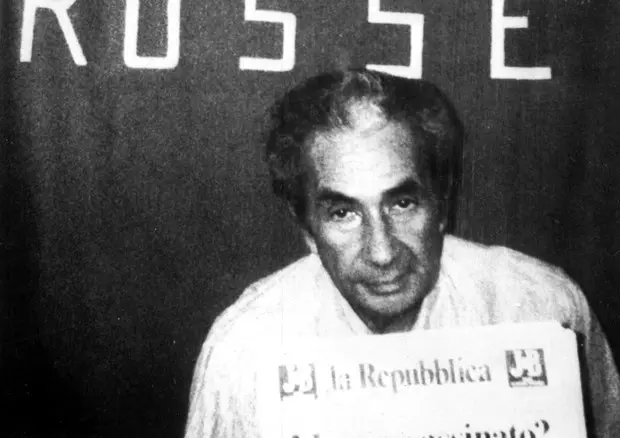
Dal 16 marzo 1978 al 9 maggio dello stesso anno, le Brigate Rosse rilasciarono nove comunicati. Il gruppo terroristico si servì di queste lettere per spiegare le motivazioni del sequestro ma anche per provare a intavolare una trattativa con lo Stato
LE LETTERE
Nei suoi 55 giorni di prigionia, Aldo Moro scrisse 86 lettere. I destinatari furono molteplici: dagli esponenti più importanti del suo partito, la Dc, alla famiglia. Non mancarono però le missive mandate ai principali quotidiani e all’allora Papa Paolo VI. Il 22 aprile, il Santo Padre si rivolse con un appello pubblico col quale supplicava “in ginocchio” gli “uomini delle Brigate Rosse” affinché liberassero il prigioniero “senza condizioni”
LA FERMEZZA DEL GOVERNO
Delle 86 lettere inviate, solo alcune arrivarono a destinazione, altre non furono mai recapitate e vennero ritrovate successivamente nel covo di via Monte Nevoso. Fu proprio attraverso queste lettere che Moro cercò di aprire una trattativa con i colleghi di partito e con le massime cariche dello Stato. Il governo presieduto da Giulio Andreotti (in foto), sostenuto dal Pci, non volle cedere ai terroristi, né trattare. Lo statista, in una lettera indirizzata ai leader della Dc, il suo partito, scrive: “Il mio sangue ricadrà su di voi”
L’UCCISIONE
“Per quanto riguarda la nostra proposta di uno scambio di prigionieri politici perché venisse sospesa la condanna e Aldo Moro venisse rilasciato, dobbiamo soltanto registrare il chiaro rifiuto della DC. Concludiamo quindi la battaglia iniziata il 16 marzo, eseguendo la sentenza a cui Aldo Moro è stato condannato”. Con queste parole, nel nono e ultimo comunicato, le Brigate Rosse misero fine al rapimento, uccidendo Moro con una scarica di proiettili nel petto
IL RITROVAMENTO
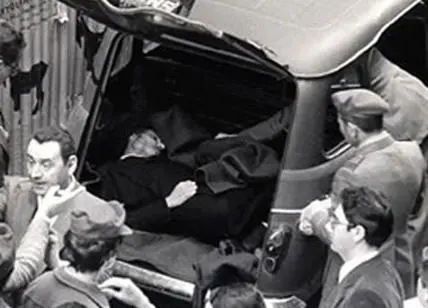
Dopo l’omicidio, l’auto con il suo corpo fu lasciata parcheggiata in Via Caetani, a Roma, simbolicamente a metà strada tra la sede della Dc e quella del Pci. La comunicazione dell’avvenuto delitto fu data dal brigatista Valerio Morucci con una telefonata al professor Francesco Tritto, uno degli assistenti di Moro. Il terrorista chiese a Tritto, “adempiendo alle ultime volontà del presidente”, di comunicare subito alla famiglia che “il corpo del presidente si trovava nel bagagliaio di una Renault 4 rossa, in via Caetani”
l rapimento di Moro fu uno dei punti più tragici degli Anni di piombo in Italia. La morte dello statista segnò la fine del cosiddetto “compromesso storico”, l’avvicinamento tra Dc e Pci, di cui Moro era stato uno dei grandi fautori
I PROCESSI E LE CONDANNE
A distanza di pochi giorni dall’epilogo della tragedia si ebbero i primi arresti di brigatisti coinvolti nell’agguato di via Fani e all’uccisione di Moro. Furono arrestati Enrico Triaca, un tipografo che s’era messo a disposizione di Mario Moretti, poi Valerio Morucci e Adriana Faranda.
Il 24 gennaio 1983 la Corte d’assise di Roma, presieduta dal giudice Severino Santiapichi, al termine di un processo durato nove mesi che riuniva le istruttorie Moro-uno e Moro-bis portate a termine dai giudici istruttori Ferdinando Imposimato e Rosario Priore, inflisse 32 ergastoli e 316 anni di carcere a 63 imputati; furono decise anche quattro assoluzioni e tre amnistie. Furono applicate le norme di legge che concedevano un trattamento di favore ai collaboratori di giustizia e furono riconosciute alcune attenuanti ai dissociati. Il 14 marzo 1985, nel processo d’appello, i giudici diedero maggior valore alla dissociazione (scelta fatta da Adriana Faranda e Valerio Morucci) cancellando 10 ergastoli e riducendo la pena ad alcuni imputati. Pochi mesi dopo, il 14 novembre, la Cassazione confermò sostanzialmente il giudizio d’appello.
Negli anni successivi furono celebrati tre nuovi processi (Moro-ter, Moro-quater e Moro-quinquies) che condannarono altri brigatisti per il loro coinvolgimento in azioni eversive svolte a Roma fino al 1982 e in alcuni risvolti del caso Moro.
Nei confronti dei quindici brigatisti coinvolti direttamente nella vicenda furono emessi i seguenti giudizi:
Rita Algranati: ultima a essere catturata fra i terroristi coinvolti nel caso Moro, a Il Cairo nel 2004, sta scontando l’ergastolo. Fu la «staffetta» del commando brigatista in via Fani.
Barbara Balzerani: catturata nel 1985 e condannata all’ergastolo, ha ottenuto la libertà vigilata nel 2006. In via Fani presidiava l’incrocio con via Stresa armata di una CZ Scorpion, arma che il 9 maggio ucciderà Aldo Moro. Durante il sequestro occupava la base di via Gradoli 96 nella quale conviveva con Mario Moretti.
Franco Bonisoli: catturato nella base di via Monte Nevoso 8 a Milano il 1º ottobre 1978, è stato condannato all’ergastolo ma in seguito ha ottenuto in semilibertà. In via Fani sparò sulla scorta di Moro e alla conclusione del sequestro portò nel covo di Milano il memoriale e le lettere dello statista, ritrovate in una prima tranche contemporaneamente al suo arresto e in una seconda tranche l’8 ottobre 1990.
Anna Laura Braghetti: arrestata nel 1980, condannata all’ergastolo, ha ottenuto la libertà condizionale dal 2002. Durante il sequestro non era ancora in clandestinità: era l’intestataria e l’inquilina «ufficiale», insieme con Germano Maccari, dell’appartamento di via Montalcini 8 a Roma, tuttora l’unica prigione accertata di Moro.
Alessio Casimirri: fuggito in Nicaragua, dove gestisce un ristorante, è l’unico a non essere mai stato arrestato né per il caso Moro né per altri reati. In via Fani presidiava con Alvaro Lojacono la parte alta della strada.
Raimondo Etro: catturato nel 1996, è stato condannato a 24 anni e 6 mesi, poi ridotti a 20 anni e 6 mesi, terminando anticipatamente la sua pena nel 2010. Non era presente in via Fani, ma fu il custode delle armi usate nella strage.
Adriana Faranda: arrestata nel 1979, è tornata in libertà nel 1994 dopo essersi dissociata dalla lotta armata. Non è stata accertata in sede giudiziaria la sua presenza in via Fani. Fu, assieme a Valerio Morucci, la «postina» del sequestro Moro.
Raffaele Fiore: catturato nel 1979 e condannato all’ergastolo, ha ottenuto la libertà condizionata nel 1997. In via Fani sparò sulla scorta di Moro, anche se il suo mitra si inceppò quasi subito.
Prospero Gallinari: all’epoca del caso Moro già latitante per il sequestro del giudice Mario Sossi, è stato catturato nel 1979. Dal 1994 al 2007 ha ottenuto la sospensione della pena per motivi di salute, ottenendo gli arresti domiciliari. È deceduto il 14 gennaio 2013. In via Fani sparò sulla scorta di Moro e durante il sequestro era rifugiato nel covo brigatista di via Montalcini 8, unica prigione di Moro accertata in sede giudiziaria.
Maurizio Iannelli: catturato nel 1980 e condannato a due ergastoli, ha ottenuto la libertà vigilata nel 2003. In seguito ha collaborato come regista a vari programmi della Rai (Amore criminale, Sopravvissute).
Alvaro Lojacono: coinvolto anche negli omicidi di Miki Mantakas e Girolamo Tartaglione, nel 1980 espatriò in Svizzera (Paese d’origine della madre), ove nel 1986 ottenne la cittadinanza. Poiché il diritto svizzero non prevede l’estradizione per i suoi cittadini, non è mai stato estradato in Italia, anche se ha scontato 11 anni di carcere svizzero (per il solo omicidio di Tartaglione). In via Fani presidiava con Alessio Casimirri la parte alta della strada e con lui era sull’auto che bloccò da dietro la colonna di auto con a bordo Moro e la sua scorta, subito prima della strage.
Germano Maccari: arrestato solo nel 1993, rimesso in libertà per decorrenza dei termini e poi riarrestato dopo aver ammesso il suo coinvolgimento nel sequestro, viene condannato a 30 anni, poi ridotti a 26, nell’ultimo processo celebrato sul caso Moro. È morto per aneurisma cerebrale nel carcere di Rebibbia il 25 agosto 2001. Insieme con Anna Laura Braghetti era l’inquilino «ufficiale» dell’appartamento di via Montalcini 8, unica prigione di Moro finora accertata, sotto il falso nome di «ingegner Luigi Altobelli».
Mario Moretti: catturato nel 1981 e condannato a sei ergastoli. Nel 1994 ha ottenuto la semilibertà e in seguito ha lavorato in una cooperativa di informatica che ha offerto anche consulenza all’amministrazione regionale della Lombardia. Rappresentante del Comitato Esecutivo delle Brigate Rosse presso la colonna romana, oltre a dirigere l’intera operazione e a effettuare sopralluoghi poco prima dell’agguato, in via Fani era alla guida della Fiat 128 targata “corpo diplomatico” che bloccò il corteo delle auto di Moro e della scorta avviando l’imboscata. Nonostante alcune testimonianze oculari, non è stato accertato in sede giudiziaria che abbia sparato. Durante il sequestro occupava con Barbara Balzerani la base di via Gradoli 96 e si recava a interrogare Moro nel luogo della sua detenzione e periodicamente a Firenze e Rapallo per riunioni con il Comitato esecutivo delle BR. Tempo dopo il processo confessò anche di essere stato l’unico esecutore materiale dell’omicidio di Moro scagionando così, dal punto di vista morale e non giudiziario, Prospero Gallinari che ne era precedentemente stato accusato e condannato.
Valerio Morucci: arrestato nel 1979, venne condannato a 30 anni dopo essersi dissociato dalla lotta armata. Rilasciato nel 1994, in seguito si è occupato di informatica, come Moretti. In via Fani sparò sulla scorta di Moro e durante il sequestro fu il “postino” delle Brigate Rosse assieme alla sua compagna Adriana Faranda, oltre a effettuare quasi tutte le telefonate legate al sequestro, compresa l’ultima in cui comunicò a Franco Tritto l’ubicazione del corpo di Moro.
Bruno Seghetti: catturato nel 1980 e condannato all’ergastolo, è stato ammesso al lavoro esterno nell’aprile del 1995 per poi ottenere la semilibertà nel 1999, revocatagli nel 2001 in seguito ad alcune irregolarità, per cui è tornato detenuto. Ha lavorato anche per la cooperativa 32 dicembre di Prospero Gallinari. In via Fani era alla guida dell’auto con la quale Moro venne portato via dopo l’agguato.
Fonte
Sky.it
https://tg24.sky.it/cronaca/2023/03/16/aldo-moro-rapimento#12
Wikipedia
https://it.wikipedia.org/wiki/Caso_Moro
Approfondimenti
RaiCultura.it
I WebDoc di Rai Cultura : Aldo Moro
National Geographic
Open Edition Journal
https://journals.openedition.org/diacronie/5162
Video
Archivio Luce
https://www.archivioluce.com/16-marzo-1978-aldo-moro-viene-rapito-dalla-br/
https://www.archivioluce.com/9-maggio-1978-aldo-moro-viene-assassinato-dalla-br/
La Repubblica
https://lab.gedidigital.it/repubblica/2018/cronaca/aldo-moro/
Famiglia Cristiana
Rai Teche
https://www.teche.rai.it/2023/05/aldo-moro-lungo-addio/
Rai Play
I Libri
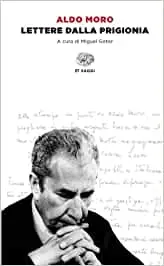
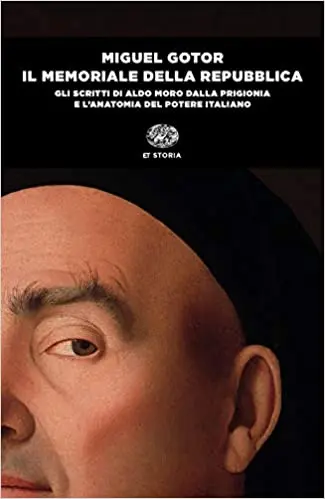
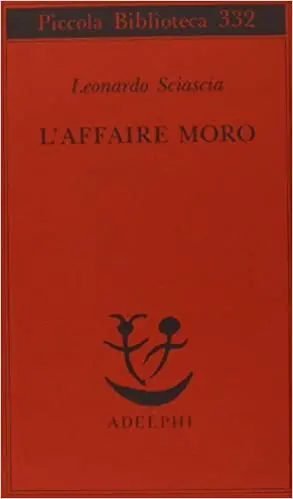
National Geographic
da Ansa
da Affari Italiani
English version
Aldo Moro, 61 years old, statesman
THE AMBUAY
Shortly before 9 a.m. on March 16, 1978, Moro left his house and got into a blue Fiat with two members of the escort. Behind his car was another car, a white Alfetta with the other men on board who were part of his protection. The amust tense by the Brs snapped when the car in which Moro was traveling entered Via Fani. The Dc president’s car slammed into a Fiat 128 that had cut his way. In a few seconds the terrorist commando jumped out in front of the “Olivetti” bar shooting at the escort’s car killing agents Giulio Rivera and Raffaele Iozzino on the spot. Deputy Brigadier Francesco Zizzi lost his life shortly after, at the Gemelli hospital. The dopped Domenico Ricci and Marshal Oreste Leonardi who were in Moro’s car also died.
THE CLAIM
The president of the Dc was instead captured by the brigadists. The Fiat used for the ambed was found later and exactly an hour later, at 10 o’clock, the terrorist group claimed the attack: ‘Attack on the heart of the state’.
THE PRISON
After the kidnapping, Aldo Moro was taken to what will later be called ‘the prison of the people’. In the trials that followed the capture of the brigadists, it turned out that this ‘prison of the people’ was the apartment owned by Anna Laura Braghetti, in via Camillo Montalcini 8, also in Rome. In those 55 days, the politician was watched by several members of the Br, in particular by Prospero Gallinari who, being already wanted, remained throughout the kidnapping together with the statesman and was considered the real jailer of Aldo Moro.
However, according to the magistrate Carlo Alfredo Moro, brother of the former president Dc, the last den in which Moro was hidden was not the one in Via Montalcini, but another located near a seaside resort. The deduction comes from the sand found on the body and on the car, but also from some inconsistencies during the depositions of the brigadists. It has never been ascertained if other lairs were used (such as the one in the Balduina area)
THE PRESS RELEASES
From March 16, 1978 to May 9 of the same year, the Red Brigades issued nine communiqués. The terrorist group used these letters to explain the reasons for the kidnapping but also to try to enter into a negotiation with the state
THE LETTERS
In his 55 days of imprisonment, Aldo Moro wrote 86 letters. The recipients were many: from the most important exponents of his party, the Dc, to the family. However, there was no shortage of letters sent to the main newspapers and to the then Pope Paul VI. On April 22, the Holy Father turned with a public appeal with which he pleaded ‘on his knees’ the ‘men of the Red Brigades’ to free the prisoner ‘without conditions’.
THE FIRMNESS OF THE GOVERNMENT
Of the 86 letters sent, only some arrived at their destination, others were never delivered and were later found in the den of Via Monte Nevoso. It was precisely through these letters that Moro tried to open a negotiation with his party colleagues and with the highest offices of the state. The government presided over by Giulio Andreotti (pictured), supported by the Pci, did not want to give in to the terrorists, nor negotiate. The statesman, in a letter addressed to the leaders of the Dc, his party, writes: “My blood will fall on you”
THE KILLING
“As for our proposal for an exchange of political prisoners for the sentence to be suspended and Aldo Moro to be released, we only need to register the clear rejection of the DC. We therefore conclude the battle that began on March 16, carrying out the sentence to which Aldo Moro was sentenced.” With these words, in the ninth and last communiqué, the Red Brigades put an end to the kidnapping, killing Moro with a rush of bullets in his chest
THE FIND
After the murder, the car with his body was left parked in Via Caetani, in Rome, symbolically halfway between the headquarters of the Dc and that of the Pci. The communication of the crime was given by the brigadier Valerio Morucci with a phone call to Professor Francesco Tritto, one of Moro’s assistants. The terrorist asked Tritto, ‘fulfilling the last wishes of the president’, to immediately communicate to the family that ‘the body of the president was in the trunk of a red Renault 4, in via Caetani’.
Moro’s kidnapping was one of the most tragic points of the Lead Years in Italy. The death of the statesman marked the end of the so-called ‘historical compromise’, the rapprochement between Dc and Pci, of which Moro had been one of the great supporters.
THE TRIALS AND THE CONVICTIONS
A few days after the epilogue of the tragedy there were the first arrests of brigadists involved in the ambish of Via Fani and the killing of Moro. Enrico Triaca, a printer who had made himself available to Mario Moretti, then Valerio Morucci and Adriana Faranda, were arrested.
On January 24, 1983, the Court of Assizes of Rome, presided over by Judge Severino Santiapichi, at the end of a nine-month trial that brought together the Moro-uno and Moro-bis investigations completed by the investigating judges Ferdinando Imposimato and Rosario Priore, inflicted 32 life sentences and 316 years in prison on 63 defendants; four acquittals and three amnesties were also decided. The rules of law that granted favorable treatment to the collaborators of justice were applied and some mitigating to the dissociated were recognized. On March 14, 1985, in the appeal process, the judges gave greater value to the dissociation (choice made by Adriana Faranda and Valerio Morucci) by canceling 10 life sentences and reducing the sentence to some defendants. A few months later, on November 14, the Supreme Court substantially confirmed the appeal judgment.
In the following years three new trials were celebrated (Moro-ter, Moro-quater and Moro-quinquies) that condemned other brigadists for their involvement in subversive actions carried out in Rome until 1982 and in some implications of the Moro case.
The following judgments were issued against the fifteen brigadists directly involved in the affair:
Rita Algranati: the last to be captured among the terrorists involved in the Moro case, in Cairo in 2004, is serving a life sentence. It was the ‘relayer’ of the brigadist commando in via Fani.
Barbara Balzerani: Captured in 1985 and sentenced to life imprisonment, she obtained probation in 2006. In via Fani he guarded the intersection with via Stresa armed with a CZ Scorpion, a weapon that will kill Aldo Moro on May 9. During the kidnapping he occupied the base in via Gradoli 96 in which he lived with Mario Moretti.
Franco Bonisoli: captured at the base of via Monte Nevoso 8 in Milan on 1º October 1978, he was sentenced to life imprisonment but later obtained in semi-freedom. In via Fani he shot on the escort of Moro and at the conclusion of the kidnapping he brought to the lair of Milan the memorial and the letters of the statesman, found in a first tranche at the same time as his arrest and in a second tranche on October 8, 1990.
Anna Laura Braghetti: arrested in 1980, sentenced to life imprisonment, she has been released on parole since 2002. During the kidnapping he was not yet in hiding: he was the owner and the ‘official’ tenant, together with Germano Maccari, of the apartment in via Montalcini 8 in Rome, still the only confirmed prison of Moro.
Alessio Casimirri: He fled to Nicaragua, where he runs a restaurant, he is the only one who has never been arrested either for the Moro case or for other crimes. In via Fani he garrisoned with Alvaro Lojacono the upper part of the road.
Raimondo Etro: Captured in 1996, he was sentenced to 24 years and 6 months, then reduced to 20 years and 6 months, ending his sentence early in 2010. He was not present in Via Fani, but he was the keeper of the weapons used in the massacre.
Adriana Faranda: Arrested in 1979, she was released in 1994 after dissociating herself from the armed struggle. His presence in via Fani has not been ascertained in court. He was, together with Valerio Morucci, the ‘postman’ of the Moro kidnapping.
Raffaele Fiore: captured in 1979 and sentenced to life imprisonment, he obtained parole in 1997. In via Fani he fired on the escort of Moro, even though his machine gun jammed almost immediately.
Prospero Gallinari: at the time of the Moro case already a fugitive for the kidnapping of Judge Mario Sossi, he was captured in 1979. From 1994 to 2007 he obtained a suspension of his sentence for health reasons, obtaining house arrest. He passed away on January 14, 2013. In via Fani he shot on Moro’s escort and during the kidnapping he was a refugee in the brigadier’s lair of via Montalcini 8, the only Moro prison ascertained in court.
Maurizio Iannelli: captured in 1980 and sentenced to two life sentences, obtained probation in 2003. Later he collaborated as a director on various Rai programs (Amore criminale, Sopravvissute).
Alvaro Lojacono: also involved in the murders of Miki Mantakas and Girolamo Tartaglione, in 1980 he expatriated to Switzerland (his mother’s country of origin), where in 1986 he obtained citizenship. As Swiss law does not provide for extradition for his citizens, he was never extradited to Italy, even though he served 11 years in Swiss prison (for the murder of Tartaglione alone). In via Fani he guarded the upper part of the road with Alessio Casimirri and with him he was on the car that he blocked from behind the column of cars with Moro and his escort on board, just before the massacre.
Germano Maccari: arrested only in 1993, released for the period of time and then rearrested after admitting his involvement in the kidnapping, is sentenced to 30 years, then reduced to 26, in the last trial held in the Moro case. He died of a brain aneurysm in Rebibbia Prison on August 25, 2001. Together with Anna Laura Braghetti he was the ‘official’ tenant of the apartment in via Montalcini 8, the only prison in Moro so far ascertained, under the false name of ‘engineer Luigi Altobelli’.
Mario Moretti: captured in 1981 and sentenced to six life sentences. In 1994 he obtained semi-freedom and later worked in a computer science cooperative that also offered advice to the regional administration of Lombardy. Representative of the Executive Committee of the Red Brigades at the Roman column, in addition to directing the entire operation and carrying out inspections shortly before the ambush, in via Fani he was at the helm of the Fiat 128 with the “diplomatic body” that blocked the procession of Moro’s cars and the escort by starting the ambush. Despite some eyewitnesses, it has not been established in court that he shot. During the seizure he occupied with Barbara Balzerani the base in via Gradoli 96 and went to interrogate Moro at the place of his detention and periodically in Florence and Rapallo for meetings with the Executive Committee of the BR. Some time after the trial he also confessed to having been the only material executor of Moro’s murder thus exonerating, from a moral and non-judicial point of view, Prospero Gallinari who had previously been accused and convicted of it.
Valerio Morucci: arrested in 1979, he was sentenced to 30 years after dissociating himself from the armed struggle. Released in 1994, he later dealt with computer science, like Moretti. In via Fani he fired on Moro’s backing and during the kidnapping he was the “postman” of the Red Brigades together with his partner Adriana Faranda, in addition to making almost all the phone calls related to the seizure, including the last one in which he communicated to Franco Tritto the location of Moro’s body.
Bruno Seghetti: captured in 1980 and sentenced to life imprisonment, he was admitted to external work in April 1995 and then obtained semi-liberty in 1999, revoked in 2001 following some irregularities, for which he returned to prison. He also worked for Prospero Gallinari’s December 32 cooperative. In via Fani he was driving the car with which Moro was taken away after the ambush.
