
Milano, 18 marzo 1978. Tardo pomeriggio. Fausto Tinelli e Lorenzo Iannucci detto Iaio, diciannove anni, sono due amici inseparabili: due ragazzi impegnati a sinistra, frequentano il centro sociale Leoncavallo. Negli ultimi mesi fanno parte di un gruppo di giovani che lavorano ad un dossier sullo spaccio di eroina a Milano. Non sono militanti di partiti politici. Spesso di sabato si recano a casa di Fausto dove la madre Danila prepara la cena. L’appuntamento è alle 19,30 alla Crota piemunteisa di via Leoncavallo, proprio davanti al centro sociale. Fausto raggiunge il locale intorno alle 19. Nella sala biliardo sono presenti tre giovani mai visti prima. Lo confermano alcuni testimoni. Lorenzo arriva alle 19,35, in ritardo di pochi minuti. Alle 19,45, Fausto e Lorenzo escono dal locale, attraversano la strada e a piedi si incamminano lungo via Lambrate. Il tragitto è breve, trecento metri. I due ragazzi si trovano ora in piazza San Materno, svoltano a sinistra in via Casoretto. Altri ottanta metri e sono davanti al chiosco dei giornali. L’edicolante li sente commentare i titoli dei quotidiani del pomeriggio, La Notte e Il Corriere d’informazione, con gli articoli relativi alle indagini sul sequestro del presidente della Democrazia cristiana Aldo Moro e l’uccisione dei cinque uomini di scorta, fatti avvenuti soltanto due giorni prima (16 marzo 1978), a Roma, in via Fani. Fausto e Lorenzo stanno percorrendo il tratto di strada tra via Casoretto e via Mancinelli. Sono le 19,58. Tre persone sono ferme davanti al portone dell’Anderson School. Fausto e Lorenzo vengono attirati da qualcosa o da qualcuno in via Mancinelli. Il campanile della chiesa del Casoretto batte le 20. Il loro cammino si ferma, per sempre. Otto proiettili Winchester, calibro 7,65, vengono sparati da un killer professionista. Una esecuzione. I corpi si accasciano a terra. Il primo a cadere è Fausto. Il proiettile lo colpisce all’addome; gli altri tre in rapida successione all’emitorace sinistro, al braccio destro e alla regione lombare sinistra. Fausto compie una torsione su se stesso. Il quinto proiettile lo raggiunge di striscio bucando gli indumenti. Poi tocca a Lorenzo. Tre colpi lo fanno crollare sul marciapiede, mentre tenta una fuga impossibile. Vicine ai killer si trovano Marisa Biffi e le sue due figlie minori Alessandra e Cinzia Frontini. Dice la signora Biffi: “Tre ragazzi sono in piedi sul marciapiede e si trovano a 5-6 metri da me. Contemporaneamente un altro giovane è leggermente piegato e si comprime lo stomaco con entrambe le mani. Odo tre colpi attutiti che lì per lì sembrano petardi tanto che penso che quel gruppo di quattro persone sta scherzando. Non vedo alcuna fiammata di arma da fuoco. I tre giovani sul marciapiede scappano velocemente mentre quello che è piegato su se stesso cade in terra. Solo allora comprendo che è successa una cosa pazzesca e mi avvicino al giovane caduto anziché entrare subito nella parrocchia. Scorgo la fisionomia di un ragazzo steso per terra in una pozza di sangue. Subito oltre il suo corpo e quindi più vicino alla via Leoncavallo, c’è davanti a me, a un paio di metri, il corpo di questo ragazzo che prima non avevo visto né in piedi né a terra. Posso senz’altro affermare che quello che cade per primo è Lorenzo Iannucci mentre quello già steso a terra è Fausto Tinelli. Nessuno dei due ragazzi pronuncia alcuna parola, neppure un’invocazione di aiuto. Altrettanto fanno gli assassini che fuggono nel silenzio, avviandosi verso via Leoncavallo. Escludo di aver visto mettersi in moto una macchina verso via Mancinelli, subito dopo gli spari. Noto che il giovane con l’impermeabile ha un sacchetto che sembra di cellophane bianco in mano. Mi pare che lo abbia diretto verso il killer che si contorce e che entrambe le mani stanno dentro il sacchetto. Il giovane sta sparando verso Iannucci. Non ho visto altri sacchetti nelle mani dei due giovani e non ho neppure visto alcuno di loro assumere un atteggiamento quale quello che può assumere uno sparatore. Secondo me allo Iannucci spara una sola persona. Forse i colpi sono attutiti da un’arma dotata di silenziatore. Ripeto: ho la netta impressione che il sacchetto bianco sia di plastica e che l’assassino vi tenga le mani dentro. Le braccia del giovane comunque sono distese in avanti”. Marisa Biffi riconosce dunque due killer. Il primo è alto circa un metro e settanta, snello, capelli castano scuri, indossa un impermeabile chiaro. Il secondo è simile al primo come corporatura, porta un giubbotto color cammello. Alessandra e Cinzia Frontini osservano il delitto dalla stessa visuale della madre Marisa Biffi. Le tre testimonianze sono sovrapponibili. Spunta il quarto teste. Natale Di Francesco, invalido civile, nota tre giovani in fuga all’incrocio tra via Mancinelli e via Leoncavallo, a pochi metri dal centro sociale. Due assassini sono di corporatura normale, alti un metro e settanta, capelli scuri e lisci. Sul luogo del duplice delitto non vengono rinvenuti bossoli, né proiettili. Due calibro 7,65 sono ritrovati tra gli indumenti di Fausto e Lorenzo. Accanto al corpo senza vita di Iaio, i killer lasciano un berretto di lana di colore blu intriso di sangue. Sarà distrutto nel 1988 dall’Ufficio Corpi di Reato del Tribunale di Milano. Intorno alle 20,10 in piazza Durante, la polizia ritrova una pistola calibro 9, lanciata da una persona a bordo di una motocicletta di grossa cilindrata. E pochi minuti dopo, in piazza Aspromonte, Pierre Manuel Orbeson e Magda Margutti notano due giovani a bordo di una Kawasaki color verde chiaro. La coppia osserva attentamente la scena: il passeggero scende dalla moto, toglie dalla targa una sorta di copertura legata con un elastico ed entra in una vicina pizzeria. Pierre Manuel Orbeson memorizza il numero della targa (MI 538738) e lo passa al giornalista Antonio Belloni. La moto è intestata a Gaetano Russo, pregiudicato per rapina e furti, e Antonio Ausilio, incriminato per vari reati, tra cui tentato omicidio. Sul loro conto, nessun ulteriore accertamento viene svolto dalla polizia giudiziaria.
Fonte
Associazione amici di Fausto e Iaio
L’esecuzione | Associazione Fausto e Iaio
Approfondimenti
Wikipedia
https://it.wikipedia.org/wiki/Omicidio_di_Fausto_e_Iaio
Radio Onda d’Urto
https://www.radiondadurto.org/2021/03/18/milano-18-marzo-1978-lomicidio-di-fausto-e-iaio/
Articolo21
https://milanoinmovimento.com/movimenti/18-marzo-1978-lomicidio-di-fausto-e-iaio-3
Leoncavallo.org
FaustoeIaio.info
A Fausto Tinelli e Lorenzo "Iaio" Iannucci
Video
Daniele Biacchessi
https://www.danielebiacchessi.it/fausto-e-iaio/
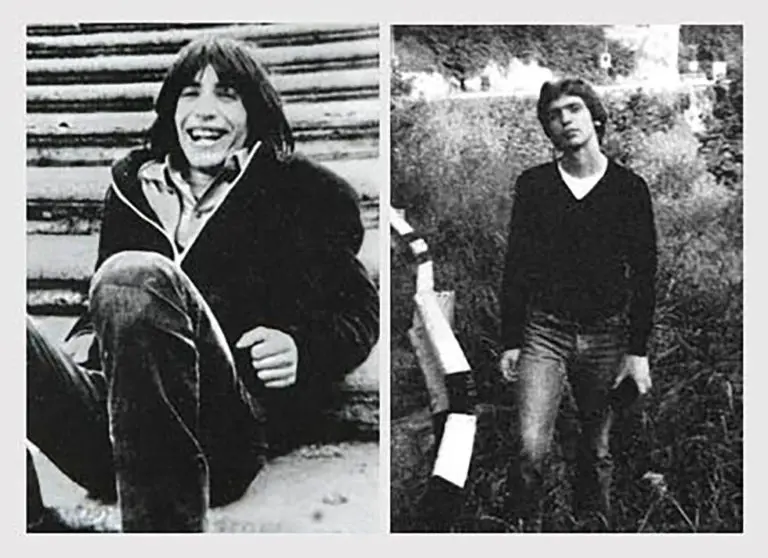
da Wikipedia
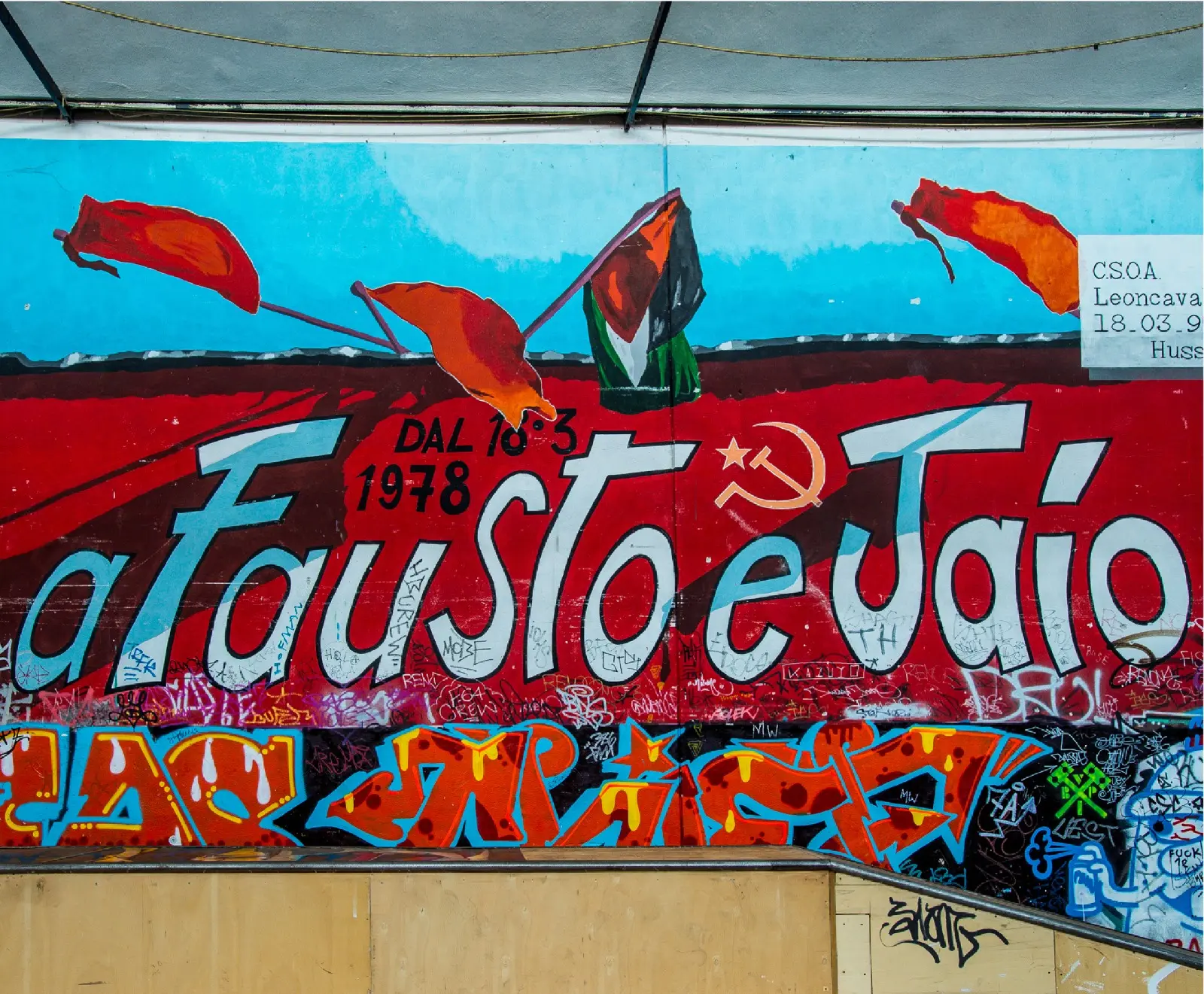 dal Leoncavallo
English version
Lorenzo Iannucci known as Iaio, 18 years old, student
Fausto Tinelli, 18 years old, student
Milan, March 18, 1978. Late afternoon. Fausto Tinelli and Lorenzo Iannucci known as Iaio, nineteen years old, are two inseparable friends: two busy boys on the left, frequent the Leoncavallo social center. In recent months they are part of a group of young people working on a dossier on heroin dealing in Milan. They are not militants of political parties. Often on Saturdays they go to Fausto’s house where his mother Danila prepares dinner. The appointment is at 19.30 at the Crota piemunteisa in via Leoncavallo, right in front of the social center. Fausto reaches the restaurant around 7 p.m. In the billiard room there are three young people never seen before. This is confirmed by some witnesses. Lorenzo arrives at 19.35, a few minutes late. At 19.45, Fausto and Lorenzo leave the club, cross the street and walk along Via Lambrate. The journey is short, three hundred meters. The two boys are now in Piazza San Materno, turn left into via Casoretto. Another eighty meters and are in front of the newspaper stand. The newsstander hears them comment on the headlines of the afternoon newspapers, La Notte and Il Corriere d’informazione, with articles relating to the investigation into the kidnapping of the president of Christian Democracy Aldo Moro and the killing of the five escort men, which occurred only two days earlier (March 16, 1978), in Rome, in via Fani. Fausto and Lorenzo are taking the stretch of road between via Casoretto and via Mancinelli. It’s 19.58. Three people are stopped in front of the Anderson School door. Fausto and Lorenzo are attracted by something or someone in via Mancinelli. The bell tower of the Casoretto church beats 8 p.m. Their path stops, forever. Eight Winchester bullets, 7.65 caliber, are fired by a professional killer. An execution. The bodies shrew to the ground. The first to fall is Fausto. The bullet hits him in the abdomen; the other three in rapid succession to the left hemithorax, right arm, and left lumbar region. Fausto makes a twist on himself. The fifth bullet reaches him with a smear by piercing the clothes. Then it’s Lorenzo’s turn. Three shots cause him to collapse on the sidewalk, as he attempts an impossible escape. Close to the killers are Marisa Biffi and her two younger daughters Alessandra and Cinzia Frontini. Ms. Biffi says: “Three boys are standing on the sidewalk and are 5-6 meters away from me. At the same time another young man is slightly bent and compresses his stomach with both hands. I hear three muffed shots that look like firecrackers there so much that I think that group of four people is joking. I don’t see any firearm flare. The three young people on the sidewalk run away quickly while the one bent over himself falls to the ground. Only then do I understand that something crazy has happened and I approach the fallen young man instead of immediately entering the parish. I see the physiognomy of a boy lying on the ground in a pool of blood. Immediately beyond his body and therefore closer to Via Leoncavallo, there is in front of me, a couple of meters away, the body of this boy that I had not seen either standing or on the ground before. I can certainly say that the one who falls first is Lorenzo Iannucci while the one already lying on the ground is Fausto Tinelli. Neither of the two boys speaks a word, not even an invocation for help. The murderers who flee in silence do the same, heading towards Via Leoncavallo. I exclude having seen a car start towards Via Mancinelli, immediately after the shots. I notice that the young man with the raincoat has a bag that looks like white cellophane in his hand. It seems to me that he directed him towards the squirming killer and that both hands are inside the bag. The young man is shooting at Iannucci. I have not seen any other bags in the hands of the two young people and I have not even seen any of them take an attitude such as what a shooter can assume. In my opinion, Iannucci shoots only one person. Perhaps the shots are mothened by a weapon equipped with a silencer. I repeat: I have the clear impression that the white bag is made of plastic and that the killer keeps his hands inside it. However, the young man’s arms are outstretched forward.” Marisa Biffi therefore recognizes two killers. The first is about one meter and seventy tall, slim, dark brown hair, wears a light raincoat. The second is similar to the first in build, it wears a camel-colored vest. Alessandra and Cinzia Frontini observe the crime from the same view as their mother Marisa Biffi. The three testimonies are overlapping. Tick the fourth head. Natale Di Francesco, a civil invalid, notices three young people fleeing at the intersection of Via Mancinelli and Via Leoncavallo, a few meters from the social center. Two killers are of normal build, one meter and seventy tall, dark and straight hair. No shells or bullets are found at the place of the double crime. Two 7.65 calibers are found among Fausto and Lorenzo’s garments. Next to Iaio’s lifeless body, the killers leave a blue wool cap soaked in blood. It will be destroyed in 1988 by the Criminal Corps Office of the Court of Milan. Around 20.10 in Piazza Durante, the police find a 9-caliber pistol thrown by a person aboard a large-displacement motorcycle. And a few minutes later, in Piazza Aspromonte, Pierre Manuel Orbeson and Magda Margutti notice two young people aboard a light green Kawasaki. The couple carefully observes the scene: the passenger gets off the bike, removes a sort of cover tied with a rubber band from the license plate and enters a nearby pizzeria. Pierre Manuel Orbeson memorizes the license plate number (MI 538738) and passes it on to the journalist Antonio Belloni. The bike is in the name of Gaetano Russo, convicted of robbery and theft, and Antonio Ausilio, indicted for various crimes, including attempted murder. On their behalf, no further investigations are carried out by the judicial police.
