
Ogni mattina, una Fiat 128 blu del Servizio di Stato si dirige a Patrica per raggiungere l’abitazione del procuratore capo Fedele Calvosa e accompagnarlo a Frosinone dove svolge la funzione di Procuratore della Repubblica. Davanti, è seduto l’agente penitenziario Giuseppe Pagliei, 33 anni, sposato con due figli. Quel giorno, l’8 novembre del 1978, ha lasciato il volante a Luciano Rossi, un impiegato ministeriale che dovrà presto sostituirlo e che deve imparare il percorso di quello che pare essere un servizio di routine. Il Procuratore siede dietro. Sono le 8,30 quando l’auto, pochi metri prima d’imboccare la provinciale, rallenta davanti a un segnale di precedenza. Questo permette ai killer d’intervenire e sparare all’impazzata. Moriranno Fedele Calvosa, Pagliei e l’autista Rossi.
Un colpo uccide però anche uno dei componenti del commando brigatista, Roberto Capone. La perizia medico-legale accerterà che il terrorista è stato ucciso da un colpo d’arma da fuoco da ritenersi esploso contro di lui da uno dei suoi stessi complici, per errore o per un improvviso spostamento. Gli altri terroristi sono presi dal panico; adagiano il compagno nella vettura e poi abbandonano il cadavere in un boschetto. Loro si danno alla fuga con l’auto “staffetta”.
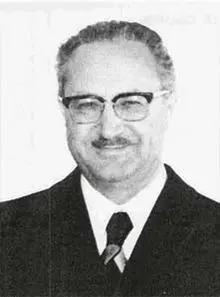
Fedele Calvosa, 59 anni, non aveva messo in conto di essere un obiettivo del terrorismo. Nato a Castrovillari, ai piedi del Pollino, studia con sacrificio a Napoli. Dopo aver vinto il concorso in magistratura torna al paese natale dove nel tranquillo tribunale di Castrovillari inizia la sua carriera di magistrato che lo porterà a Catanzaro, Ceccano e poi a Roma.
Nel 1972 torna in provincia, a Frosinone, come Procuratore capo. Qui ha costruito il suo mondo. Una villetta immersa nel verde della campagna laziale a qualche chilometro da Patrica, un piccolo paese arrampicato su una collina. Un calabrese diventato ciociaro. Sposato, con due figli studenti universitari. Sulla sua scrivania fascicoli tipici delle procure periferiche. Qualche rapina, l’omicidio occasionale, lottizzazioni abusive. L’unica istruttoria politica seguita da Calvosa riguarda un mandato di comparizione per 19 operai di una fabbrica tessile della zona accusati di “violenza privata”. Dal documento di rivendicazione, firmato dalle Formazioni Comuniste Combattenti, si apprende che questa è la motivazione della sua condanna a morte.
Il giorno dopo l’omicidio, al Csm, interviene il Capo dello Stato Sandro Pertini: «Questa mi è parsa la sede più appropriata per manifestare il profondo dolore che stringe il mio animo in quest’ora di lutto per la Magistratura italiana, lo sdegno per l’abiezione nella quale alcune frange di criminali continuano a spingere il nostro Paese con implacabile e fanatica viltà, la ferma determinazione dello Stato repubblicano, in tutte le sue espressioni, di non cedere a questo attacco spietato che ha come fine ultimo l’annientamento della Repubblica democratica nata dalla Resistenza e la distruzione delle nostre libertà e del nostro ordinamento civile. A nome della Nazione rendo onore al magistrato Calvosa, all’agente Pagliei, all’impiegato Rossi, che sono caduti per la loro qualità di servitori della giustizia e dello Stato democratico e al loro ricordo unisco quello del magistrato Girolamo Tartaglione, che fu assassinato il 10 ottobre scorso e del Prof. Paolella che da studioso contribuiva a rendere più umana e civile l’amministrazione della giustizia. Salgono dunque a sette i magistrati crudelmente assassinati”.
Al termine della stessa seduta, il Csm emette un comunicato: “Il Consiglio Superiore della Magistratura, dinanzi all’efferato assassinio, ad opera di terroristi del Procuratore della Repubblica di Frosinone e dei suoi due collaboratori, che segue a breve distanza di tempo a quello di altri magistrati, rileva come questo ulteriore grave delitto colpisce l’ordine giudiziario in quanto garanzia essenziale dello Stato democratico e della legalità repubblicana… Sottolinea come sia necessaria una nuova sensibilità verso i problemi della giustizia e della magistratura, oggi particolarmente esposta e chiamata ad assolvere,in condizioni di estrema difficoltà anche sul piano morale, il proprio fondamentale ruolo di garante della libertà e della sicurezza dell’intera collettività. Fa affidamento sulla necessaria solidarietà di tutti i cittadini e rivolge un pressante appello al Parlamento, al Governo ed a tutte le forze politiche e sociali, affinché attraverso tempestive ed efficaci iniziative vengano realizzate le condizioni necessarie per restituire fiducia alla magistratura e tranquillità al paese”.
E del padre così parla il figlio Francesco: “Quando mio padre fu ucciso avevo vent’anni. Come lo ricordo? Come un uomo onesto, come un grandissimo lavoratore. Era una figura autoritaria senza volerlo essere: incuteva timore per la sua alta levatura morale, non perché in qualche modo abusasse o ostentasse il potere che il suo ruolo di Procuratore capo gli riconosceva. Al contrario era una persona estremamente disponibile, e, sopra ogni cosa, onesta… Spesso, durante le ore in cui era chiuso nel suo studio con i fascicoli, gli capitava di ricevere persone che gli chiedevano dei consigli, spesso anche di estrazione molto umile. Una volta vennero alcune vecchiette: lui le ricevette, le ascoltò, ma poi le mandò via con decisione: avevano osato portargli un regalo di poco conto. Lui non solo non lo prese, ma si ritenne offeso dall’offerta. Era una persona molto equilibrata e me lo diceva sempre: «La dote che serve di più nel mio lavoro è l’equilibrio» …”. I terroristi lo scelsero forse “perché era un obiettivo facile, non certo perché si occupava di processi particolarmente importanti. A Frosinone, un grande paesone, non accadevano cose che potessero essere di interesse rilevante per i terroristi. Dissero che papà aveva voluto colpire degli operai, accusandoli per un’azione di picchettaggio, ma sono convinto che si trattasse solo di un pretesto. Dovevano colpire un magistrato, e mio padre svolgeva il suo lavoro con impegno e dedizione. Ma attenzione, questo ci tengo a sottolinearlo: mio padre non era un eroe, era una persona normale che svolgeva la sua professione con impegno. Tutto qui”.
Fonte
ANM
In ricordo di Fedele Calvosa | versione per la stampa
Approfondimenti
Ugo Maria Tassinari 8 novembre 1978:Patrica
Video
da Wikipedia
English version
Fedele Calvosa, 59 years old, Magistrate Prosecutor of the Republic
Giuseppe Pagliei, 29 years old, custodial agent
Luciano Rossi, 24 years old, driver employed by the Ministry of Justice
Every morning, a blue Fiat 128 of the State Service goes to Patrica to reach the home of the chief prosecutor Fedele Calvosa and accompany him to Frosinone where he performs the function of Prosecutor of the Republic. In front, sits the prison officer Giuseppe Pagliei, 33, married with two children. That day, November 8, 1978, he left the wheel to Luciano Rossi, a ministerial employee who will soon have to replace him and who must learn the path of what seems to be a routine service. The Prosecutor sits in the back. It’s 8.30 when the car, a few meters before taking the provincial road, slows down in front of a sign of precedence. This allows the killers to intervene and shoot the mad. Fedele Calvosa, Pagliei and the driver Rossi will die.
However, a shot also kills one of the members of the brigade commando, Roberto Capone. The medical-legal expert report will ascertain that the terrorist was killed by a gunshot that was deemed to have exploded against him by one of his own accomplices, by mistake or by a sudden displacement. The other terrorists panic; they lay their partner in the car and then leave the corpse in a grove. They run away with the ‘relay’ car.
Fedele Calvosa, 59, had not taken into account being a target of terrorism. Born in Castrovillari, at the foot of the Pollino, he studied with sacrifice in Naples. After winning the competition in the judiciary he returns to his hometown where in the quiet court of Castrovillari he begins his career as a magistrate that will take him to Catanzaro, Ceccano and then to Rome.
In 1972 he returned to the province, in Frosinone, as Chief Prosecutor. Here he built his world. A villa surrounded by the green of the Lazio countryside a few kilometers from Patrica, a small village climbing up a hill. A Calabrian turned ciociaro. Married, with two children university students. On his desk typical files of peripheral prosecutors. Some robbery, occasional murder, abusive subdivisions. The only political investigation followed by Calvosa concerns a subpoena for 19 workers of a textile factory in the area accused of ‘private violence’. From the claim document, signed by the Combating Communist Formations, we learn that this is the reason for his death sentence.
The day after the murder, the Head of State Sandro Pertini intervenes at the CSM: “This seemed to me the most appropriate place to manifest the deep pain that tightens my soul in this hour of mourning for the Italian Judiciary, the indignation for the abjection in which some fringes of criminals continue to push our country with relentless and fanatical cowardice, the firm determination of the republican state, in all its expressions, not to give in to this ruthless attack that has as its ultimate end the annihilation of the democratic Republic born from the Resistance and the destruction of our freedoms and our order. Civil. On behalf of the Nation I pay tribute to the magistrate Calvosa, to the agent Pagliei, to the employee Rossi, who fell for their quality as servants of justice and the democratic state and to their memory I join that of magistrate Girolamo Tartaglione, who was assassinated on October 10 and Prof. Pan that as a scholar helped to make the administration of justice more humane and civil. So the cruelly murdered magistrates rise to seven.”
At the end of the same session, the Csm issued a statement: “The Superior Council of the Judiciary, in the face of the heinous assassination, by terrorists of the Prosecutor of the Republic of Frosinone and his two collaborators, which follows a short time to that of other magistrates, notes how this further serious crime affects the judicial order as an essential guarantee of the democratic state and republican legality … It emphasizes how necessary a new sensitivity towards the problems of justice and the judiciary is necessary, today particularly exposed and called to fulfill, in conditions of extreme difficulty also on the moral level, its fundamental role of Guarantor of the freedom and security of the entire community. It relies on the necessary solidarity of all citizens and makes an urgent appeal to Parliament, the Government and all political and social forces, so that through timely and effective initiatives the necessary conditions are achieved to restore confidence in the judiciary and tranquility to the country”.And this is how his son Francesco talks about his father: “When my father was killed I was twenty years old. How do I remember it? Like an honest man, like a great worker. He was an authoritarian figure without wanting to be: he instilled fear for his high moral height, not because he somehow abused or flaunted the power that his role as Chief Prosecutor recognized him. On the contrary, he was an extremely helpful person, and, above all, honest… Often, during the hours when he was closed in his studio with files, he happened to receive people who asked him for advice, often even of very humble extraction. Once some old women came: he received them, listened to them, but then sent them away decisively: they had dared to bring him a small gift. Not only did he not take it, but he was offended by the offer. He was a very balanced person and he always told me, ‘The dowery that serves the most in my job is balance.’ …’ The terrorists chose it perhaps “because it was an easy target, certainly not because it dealt with particularly important processes. In Frosinone, a large village, things did not happen that could be of relevant interest to terrorists. They said that Dad had wanted to hit workers, accusing them of a picketing action, but I am convinced that it was just a pretext. They had to hit a magistrate, and my father did his job with commitment and dedication. But beware, I want to emphasize this: my father was not a hero, he was a normal person who carried out his profession with commitment. That’s all.”
