
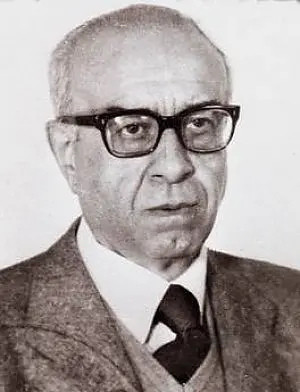
Otto mesi dopo il giudice Riccardo Palma, le Brigate Rosse assassinarono a Roma un altro magistrato del ministero di Grazia e Giustizia: Girolamo Tartaglione, un gentiluomo napoletano di 65 anni, direttore generale degli Affari penali. Durante il sequestro Moro si era opposto alla concessione della grazia a Paola Besuschio, ex studentessa di Sociologia a Trento, proposta per uno scambio di prigionieri con il presidente della Dc.
La dinamica dell’agguato
Alle 14.15 del 10 ottobre 1978 – un martedì – due killer lo attesero davanti all’ascensore del condominio dove abitava: un palazzone ex Incis di via delle Milizie 76 nell’elegante quartiere Prati. Pur abitandovi 142 famiglie, nessuno vide nulla. I sicari si dileguarono, come per moltissimi altri delitti di quegli anni, senza lasciare traccia, facendosi inghiottire tranquillamente dal traffico romano: uno degli assassini non è neanche mai finito in carcere. Tartaglione non aveva la scorta. Eppure temeva per la sua vita. Sapeva che la funzione che esercitava – i terroristi avevano in atto una campagna contro le carceri speciali – lo esponeva a gravissimi rischi. “E’ come viaggiare a 150 all’ora in autostrada e se scoppia una gomma sei morto, non c’è niente che si possa fare”, aveva confidato a un amico qualche tempo prima.
Andava al lavoro in autobus senza scorta
Lo Stato viveva i giorni più angosciosi della Repubblica, ma il dottor Tartaglione si recava in ufficio in via Arenula in autobus. Roma (prima in Cassazione, poi al ministero) era stato un approdo dopo una lunga carriera come magistrato nei distretti giudiziari del Sud. Carlo Rivolta su Repubblica scrisse una cronaca impeccabile. Gli assassini, uno dei quali vestito con una sahariana e un basco, come notò la portinaia che domandò loro dove stessero andando, si piazzarono all’ombra dell’ascensore della scala numero 3. Qui gli spararono due colpi alla nuca, Tartaglione cadde perdendo gli occhiali che volarono a metri di distanza; quindi i brigatisti fuggirono di corsa, portando con sé la borsa piena di carte del magistrato. Ad attenderli, all’ingresso, una complice; fuori, parcheggiata in seconda fila, un’auto di piccola cilindrata, pronta a sgommare; una donna sul motorino aveva seguito il giudice dal ministero a via delle Milizie. Accanto c’è una delle più grandi caserme dei carabinieri di Roma. I brigatisti se ne fecero beffe nel loro volantino di rivendicazione.
Non era un personaggio pubblico
Il dottor Tartaglione non compariva sui giornali. Non era un personaggio pubblico. Questo particolare, lo stesso del dottor Palma, autorizzò a lungo il sospetto che ci fosse una talpa al ministero (anni dopo venne anche arrestata una funzionaria, ma le accuse nei suoi confronti caddero già in istruttoria). “Mio fratello era profondamente cattolico, e non volle mai la scorta perché non voleva vittime innocenti” spiegò nel 1993 a Giampaolo Tucci dell’Unità la sorella Maria.
Ci vollero anni per fare luce sul delitto. Quando Patrizio Peci si pentì, nella primavera del 1980, Giancarlo Caselli gli chiese subito se conoscesse gli assassini di Tartaglione. Non ne sapeva nulla. Era stata “una cosa” della colonna romana e le Br erano ormai rigidamente organizzate per compartimenti. Si seppe in seguito che il primo obiettivo era stato Alfredo Vincenti, un altro giudice in servizio al ministero, ma a un certo punto dell’inchiesta interna il capocolonna Prospero Gallinari disse che non andava bene e indicò in Tartaglione un obiettivo di maggior rilievo politico.
Ad agire Casimirri e Lojacono
La riunione decisiva si tenne pochi giorni prima in un locale all’Aventino, il Cafè du Parc. Lì vennero distribuiti gli incarichi: Alessio Casimirri era il killer designato; Alvaro Lojacono avrebbe svolto compiti di copertura entrando nel palazzo con la sahariana e i baffi finti; Adriana Faranda era la donna che il giudice incontrò entrando nel palazzo; alla guida dell’auto nera li attendeva Massimo Cianfanelli; Rita Algranati, moglie di Casimirri, era la vedetta sullo scooter. Fu Casimirri a uccidere materialmente. Uscendo la portinaia domanda se per caso avessero sparato. E Lojacono: “No, non mi sembra”. Fecero trovare la rivendicazione in un cestino di via del Tritone: “Tartaglione un esperto tra gli esperti, impegnato contro i proletari nei tribunali e nelle carceri”.
Quando si seppe com’erano andate le cose era ormai troppo tardi. Casimirri era già riparato – nel 1983 – in Nicaragua e, benché gravato da sei ergastoli tra cui quello per il delitto Moro, non è mai andato in galera. Fa il ristoratore. Lojacono vive nella Svizzera francese dopo che nel 1986 ha preso la cittadinanza elvetica grazie alla madre ticinese. Pesarono forse i lignaggi familiari; Casimirri è figlio di un funzionario della sala stampa vaticana. Entrambi non possono essere estradati.
Fonte
Appronfondimenti
Rai News: ritratto di Casimirri
Anm
In ricordo di Girolamo Tartaglione
Video
Immagini
da Comitato don Peppe Diana
English version
Girolamo Tartaglione, 65, Magistrate Director General of Criminal Affairs at the Ministry of Justice
Eight months after Judge Riccardo Palma, the Red Brigades murdered in Rome another magistrate of the Ministry of Grace and Justice: Girolamo Tartaglione, a 65-year-old Neapolitan gentleman, Director General of Criminal Affairs. During the kidnapping Moro had opposed the granting of the pardon to Paola Besuschio, a former student of Sociology in Trento, proposed for an exchange of prisoners with the president of the Dc.
The dynamics of the amney
At 14.15 on October 10, 1978 – one Tuesday – two killers waited for him in front of the elevator of the condominium where he lived: a former Incis building in via delle Milizie 76 in the elegant Prati district. Although 142 families live there, no one saw anything. The hitmen went away, as with many other crimes of those years, without a trace, being quietly swallowed up by Roman trafficking: one of the murderers never even ended up in prison. Tartaglione didn’t have the escort. Yet he feared for his life. He knew that the function he exercised – the terrorists were campaigning against special prisons – exposed him to very serious risks. “It’s like traveling at 150 an hour on the highway and if a tire bursts you’re dead, there’s nothing you can do,” he had confided to a friend some time earlier.
He went to work by bus without an escort
The state lived the most distressing days of the Republic, but Dr. Tartaglione went to the office in Via Arenula by bus. Rome (first in the Supreme Court, then at the ministry) had been a landing place after a long career as a magistrate in the judicial districts of the South. Carlo Rivolta on Repubblica wrote an impeccable chronicle. The murderers, one of them dressed in a Saharan and a Basque, as the doorman noticed who asked them where they were going, placed themselves in the shadow of the elevator of staircase number 3. Here they fired two shots at the back of his head, Tartarglione fell losing his glasses that flew meters away; then the brigadists ran away, carrying the magistrate’s bag full of cards with them. Waiting for them, at the entrance, an accomplice; outside, parked in the second row, a small-displacement car, ready to disemble; a woman on the moped had followed the judge from the ministry to Via delle Milizie. Next to it is one of the largest barracks of the carabinieri of Rome. The brigadists made a mockery of it in their claim flyer.
He was not a public figure
Dr. Tartaglione did not appear in the newspapers. He was not a public figure. This detail, the same as Dr. Palma, long authorized the suspicion that there was a mole at the ministry (years later an official was also arrested, but the charges against her already fell under investigation). ‘My brother was deeply Catholic, and he never wanted the escort because he didn’t want innocent victims,’ his sister Maria explained to Giampaolo Tucci dell’Unità in 1993.
It took years to shed light on the crime. When Patrizio Peci repented, in the spring of 1980, Giancarlo Caselli immediately asked him if he knew the murderers of Tartaglione. He didn’t know anything about it. It had been “a thing” of the Roman column and the Br were now rigidly organized by compartments. It was later learned that the first target had been Alfredo Vincenti, another judge serving in the ministry, but at a certain point in the internal investigation the head of the column Prospero Gallinari said that it was not good and indicated in Tartaglione a goal of greater political importance.
To act Casimirri and Lojacono
The decisive meeting was held a few days earlier in a restaurant at the Aventino, the Cafè du Parc. There the assignments were distributed: Alessio Casimirri was the designated killer; Alvaro Lojacono would have performed cover tasks entering the palace with the Sahara and the fake mustache; Adriana Faranda was the woman the judge met entering the building; at the wheel of the black car Massimo Cianfanelli was waiting for them; Rita Algranati, Casimirri’s wife, was the lookout on the scooter. It was Casimirri who killed materially. Going out the doorman asked if by chance they had shot. And Lojacono: “No, it doesn’t seem like it to me.” They found the claim in a basket in Via del Tritone: ‘Tartaglione an expert among the experts, engaged against the proletarians in the courts and prisons’.
When it was learned how things had gone, it was too late. Casimirri was already sheltered – in 1983 – in Nicaragua and, although encumbered by six life sentences including the one for the Moro crime, he never went to jail. He is a restaurateur. Lojacono lives in French-speaking Switzerland after he took Swiss citizenship in 1986 thanks to his mother from Ticino. Perhaps the family lineages weighed; Casimirri is the son of an official of the Vatican press room. Both cannot be extradited.
