
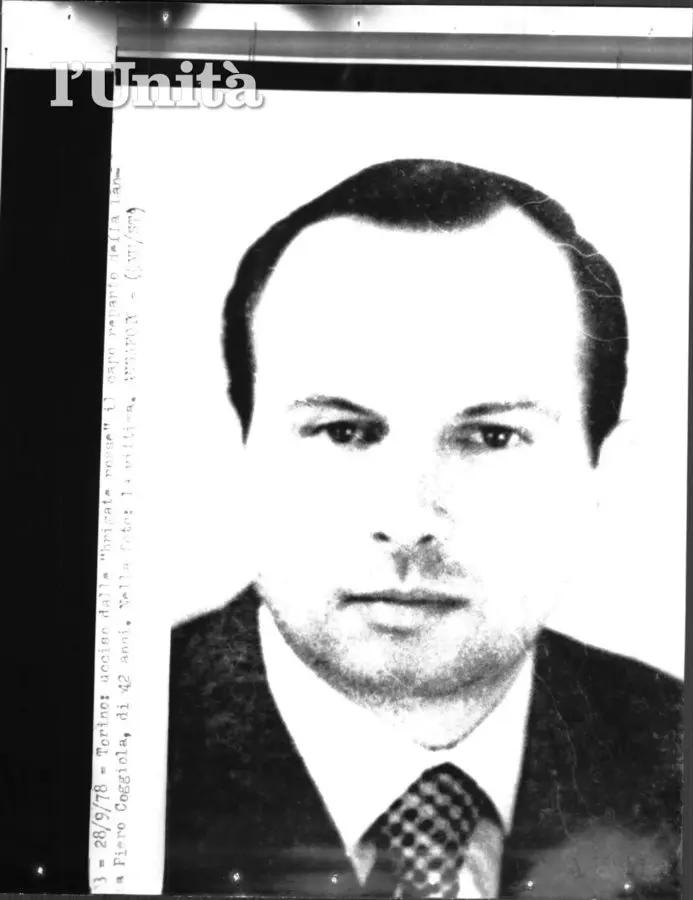
La tragedia di Piero Coggiola, capo della verniciatura alla Lancia di Chivasso, un omicidio non voluto, ce la raccontano Stefano Caselli e Davide Valentini nel volume Anni spietati, edito da Laterza nel 2011
Via Servais assomiglia a un villaggio turistico di montagna trapiantato a ridosso della Tangenziale nord: casette basse e giardini attorniati da alberi sempreverdi, un’altra di quelle piccole oasi rifugio della media borghesia che ha abbandonato il centro. Piero Coggiola, 46 anni, ha tutto tranne che la faccia del nemico. Abita al civico 200 insieme alla moglie, due figlie (la maggiore disabile) e un cane che tutte le mattine porta a spasso, prima che l’autobus aziendale lo porti alla Lancia di Chivasso, dove dirige il reparto Verniciatura. Accade anche la mattina del 28 settembre 1978.
Lo strazio della moglie
Myrna, la moglie (nella foto), accompagna in vestaglia il marito alla fermata, dove lo lascia poco dopo le 7.20. Piero Coggiola rimane solo in strada nell’aria frizzante del primo autunno, allunga lo sguardo per vedere se l’autobus è in arrivo quando si sente chiamare: «Coggiola della Lancia?». Ha appena il tempo di voltarsi prima che una Beretta calibro 90 gli scarichi addosso dodici colpi: cinque lo raggiungono alle gambe, uno gli recide di netto l’arteria femorale. Quando Myrna, che ha sentito gli spari, è tornata alla fermata del bus, Piero Coggiola è già semincosciente in una pozza di sangue. Muore poco dopo, dissanguato, alle Molinette.
“Qui Brigate rosse…”
Una voce giovanissima chiama il centralino della Stampa: «Qui Brigate rosse, abbiamo azzoppato noi Coggiola Piero…». No, Coggiola Piero è morto, dissanguato. Più o meno alla stessa ora, a Roma, le suore addette alla persona del pontefice scoprono Albino Luciani cadavere nel suo letto. Papa Giovanni Paolo I ha regnato soltanto trentatré giorni. La notizia della morte del papa giunge come una saetta tra i pellegrini in coda per la Sindone. E come una saetta piomba sulla città la notizia della morte di Piero Coggiola: «Qualche settimana di pausa nello stillicidio del terrorismo di routine – scrive La Stampa in prima pagina – ha dato l’illusione di essere tornati a vivere nella normalità. Era soltanto un’illusione. ‘Ricominciano’, dice la gente. Ci accorgiamo di colpo che abbiamo sempre saputo che questo giorno sarebbe arrivato, che prima o poi avremmo ricominciato».
Fonte
Ugomariatassinari.it
28 settembre 1978. Ucciso per sbaglio Coggiola, capo Lancia – L’alter-Ugo
Approfondimenti
da Mole24
English version
Piero Mario Coggiola, 46 years old, manager of the painting department of the Lancia Fiat in Chivasso
The tragedy of Piero Coggiola, head of painting at the Lancia di Chivasso, an unwanted murder, are told by Stefano Caselli and Davide Valentini in the volume Anni merciletati, published by Laterza in 2011
Via Servais resembles a transplanted mountain tourist village close to the North Tangential: low houses and gardens surred by evergreen trees, another of those small refuge oases of the middle bourgeoisie that abandoned the center. Piero Coggiola, 46, has everything but the face of the enemy. He lives at number 200 with his wife, two daughters (the oldest disabled) and a dog that he walks every morning, before the company bus takes him to the Lancia in Chivasso, where he directs the Painting department. It also happens on the morning of September 28, 1978.
The heartbreak of his wife
Myrna, the wife, accompanies her husband in a robe to the stop, where she leaves him shortly after 7.20. Piero Coggiola remains only on the street in the sparkling air of the first autumn, he looks up to see if the bus is on its way when he hears the call: ‘Coggiola della Lancia?’. He barely has time to turn around before a 90 caliber Beretta discharges on him twelve shots: five reach him to his legs, one sharply cuts his femoral artery. When Myrna, who heard the gunshots, returned to the bus stop, Piero Coggiola is already semi-conscious in a pool of blood. He dies shortly after, bleeding, at the Molinette.
“Here Red Brigades…”
A very young voice calls the switchboard of the Press: ‘Here Red Brigades, we have crippled Coggiola Piero…’. No, Coggiola Piero is dead, bled. At about the same time, in Rome, the nuns in charge of the pontiff’s person discover Albino Luciani corpse in his bed. Pope John Paul I reigned only thirty-three days. The news of the pope’s death comes like a spilgrims among the pilgrims queuing for the Shroud. And like a lightning light, the news of Piero Coggiola’s death plunges over the city: “A few weeks of a break in the dripping of routine terrorism – writes La Stampa on the front page – has given the illusion of having returned to live in normalcy. It was just an illusion. ‘They start agive,’ people say. We suddenly realize that we always knew that this day would come, that sooner or later we would start again.’
