
Poeta e ambientalista italiano, muore in seguito all’aggressione avvenuta ad opera di picchiatori neofascisti la sera del 30 settembre 1978 in Piazza Sannazaro a Napoli.
La sera del 30 settembre 1978 Claudio Miccoli, consigliere regionale del WWF campano, si ritrovò ad assistere presso Piazza Sannazaro all’aggressione di un giovane militante comunista da parte di una squadra di neofascisti armati di bastoni. Assistendo allo scompiglio generato dall’aggressione, Miccoli cercò da solo di dirigersi verso un gruppo di quattro neofascisti cercando di riportarli alla ragione. Tuttavia egli fu immediatamente raggiunto da un colpo di bastone alla testa scagliato dal militante di estrema destra Ernesto Nonno, il quale poi infierì sul corpo di Miccoli caduto a terra esanime fracassandogli il cranio. La sera stessa Claudio Miccoli, trasportato in ospedale, entrò in coma. Morì il 6 ottobre, dopo aver espresso la volontà di donare i propri organi. Per l’assassinio di Claudio Miccoli furono fermati 9 imputati tra i neofascisti protagonisti della spedizione punitiva del 30 settembre 1978 a Piazza Sannazaro. Alla fine del processo, durato 30 mesi, furono effettivamente condannati l’autore materiale dell’assassinio, Ernesto Nonno (14 anni di carcere), e Pietro Romano (6 anni di carcere, condannato per concorso anomalo in omicidio volontario). Gli altri 7 imputati dell’aggressione fascista (Rosario Lasdica, Antonio Torre, Giancarlo De Marco, Davide Savino, Antonio Todaro, Antonio Appierto) nel frattempo avevano già scontato la pena o erano stati graziati.
La sentenza della Corte d’Assise di Napoli fissa così in estrema sintesi la sequenza dei fatti:
1) tutti gli imputati mossero da piazza Vanvitelli (notoriamente nera) verso piazza Sannazzaro (notoriamente rossa) il 30 settembre, anniversario dell’uccisione di un “camerata” da parte di un gruppo di “compagni”, per commemorare con una spedizione punitiva il luttuoso avvenimento; [in realtà era l’anniversario dell’omicidio di Walter Rossi, un compagno, per mano di Cristiano Fioravanti e Alessandro Alibrandi, ndb]
2) dopo il ferimento di Aversa, il gruppo degli squadristi si sparpagliò per rendere più agevole la fuga e solo per questa ragione il Miccoli ne incontrò solo una parte;
3) l’incontro tra Miccoli e gli squadristi avvenne a poche decine di metri dal luogo dove Aversa era stato bastonato;
4) l’incontro avvenne pochi minuti dopo questa aggressione (come si desume anche dall’orario di ricovero dei due);
5) l’incontro avvenne mentre gli squadristi tentavano di sottrarsi alle reazioni e alle indagini conseguenti alla prima aggressione;
6) l’incontro avvenne mentre costoro avevano ancora con sé uno degli strumenti con il quale avevano aggredito Aversa;
7) l’incontro avvenne dopo che il Miccoli aveva manifestato l’intenzione di andare a denunziare alla polizia l’aggressione subita da Aversa;
8) l’incontro si trasformò in aggressione dopo che gli squadristi ebbero riconosciuto in Miccoli un avversario politico;
9) gli squadristi riconobbero in costui un avversario quando egli osò chiedere loro chiarimento sul ferimento di Aversa.
I giudici descrivono poi nel dettaglio la dinamica dell’omicidio:
E’ pacifico che Lasdica, De Marco, Torre e Savino, raggiunti i binari della metropolitana, ne discesero subito dopo e si incontrarono nel sottopassaggio con Claudio Miccoli, che arrivava in quel momento insieme a Stella ed a Salemme. L’inganno o la minaccia, non si può né interessa accertarlo, consentì ai primi quattro di raggiungere lo scopo di evitare ogni scontro e di allontanarsi di corsa verso la strada che li condusse direttamente al Vomero. Gli altri tre, gabbati o intimiditi, ritornarono allora sui propri passi e si diressero lentamente verso piazza Sannazzaro, dimostrando così con i fatti di aver rinunziato a perseguire quegli scopi che li avevano spinti ad allontanarsene. Fatti pochi metri, incrociarono e sorpassarono Nonno, Romano e Matacena, che attraversavano piazza Piedigrotta con opposta direzione. Si fermarono perplessi, si girarono, incontrarono gli sguardi degli altri tre, che avevano fatto altrettanto, e mossero loro incontro. Dopo un breve dialogo, Nonno brandì il tronchetto che aveva conservato e, come dimostra un’ineccepibile e completa perizia medico legale, colpì il capo del Miccoli con almeno quattro colpi di bastone, tutti vibrati posteriormente, uno dei quali gli sfondò la volta cranica, determinando una frattura pluriframmentata ed infossata della teca e cagionandone la morte.
Fonti
Wikipedia
Ugomariatassinari.it
6 ottobre 1978, muore Claudio Miccoli. Era un compagno, non un poeta
Approfondimenti
https://www.ugomariatassinari.it/claudio-miccoli/
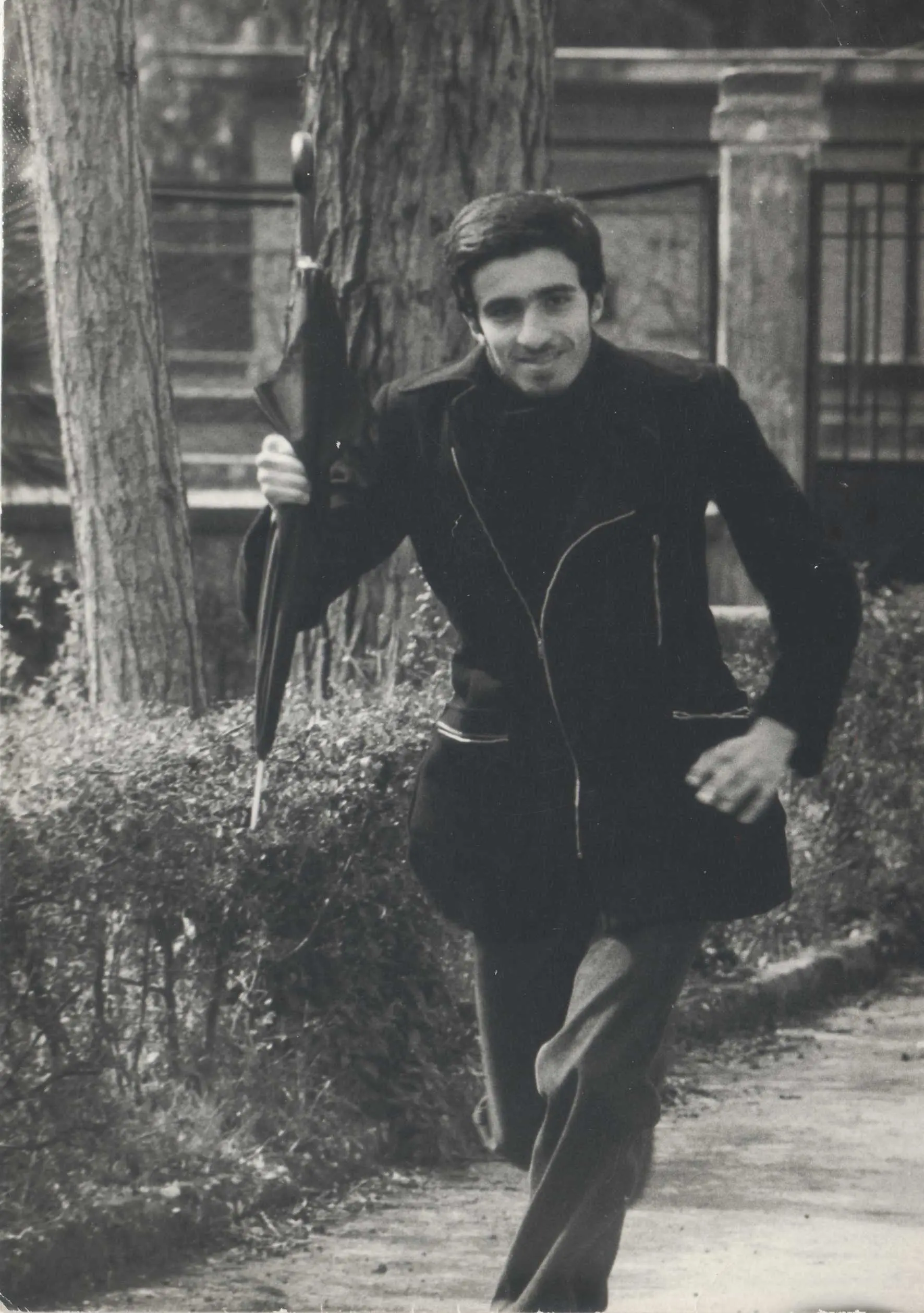
da L'angolo giallo
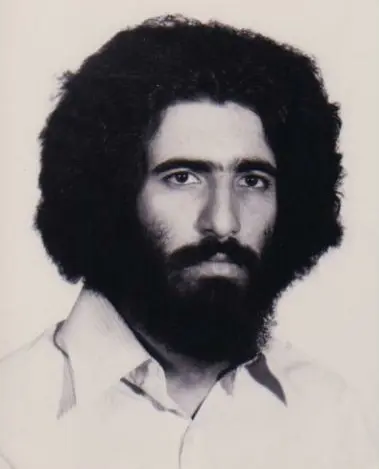
da Stramp.it
English version
Claudio Miccoli, 20 years old, student
Italian poet and environmentalist, he dies following the aggression by neo-fascist thugs on the evening of September 30, 1978 in Piazza Sannazaro in Naples.
On the evening of September 30, 1978 Claudio Miccoli, regional councilor of the WWF of Campania, found himself witnessing at Piazza Sannazaro the attack of a young communist militant by a team of neo-fascists armed with sticks. Witnessing the havoc generated by the aggression, Miccoli alone tried to head towards a group of four neo-fascists trying to bring them back to reason. However, he was immediately joined by a stick blow to the head hurled by the far-right militant Ernesto Nonno, who then raged on the body of Miccoli who fell to the ground without alive, smashing his skull. That same evening Claudio Miccoli, transported to the hospital, went into a coma. He died on October 6, after expressing his willingness to donate his organs. For the murder of Claudio Miccoli, 9 defendants were stopped among the neo-fascists protagonists of the punitive expedition of September 30, 1978 in Piazza Sannazaro. At the end of the trial, which lasted 30 months, the material author of the murder, Ernesto Nonno (14 years in prison), and Pietro Romano (6 years in prison, sentenced for abnormal competition in voluntary murder) were effectively convicted. The other 7 defendants of the fascist aggression (Rosario Lasdica, Antonio Torre, Giancarlo De Marco, Davide Savino, Antonio Todaro, Antonio Appierto) in the meantime had already served their sentence or had been pardoned.
The judgment of the Court of Assizes of Naples thus establishes in a nutshell the sequence of the facts:
1) all the defendants moved from Piazza Vanvitelli (notoriously black) towards Piazza Sannazzaro (notoriously red) on September 30, the anniversary of the killing of a ‘comrade’ by a group of ‘companions’, to commemorate the mournful event with a punitive expedition; [in reality it was the anniversary of the murder of Walter Rossi, a comrade, at the hands of Cristiano Fioravanti and Alessandro Alibrandi, ed.]
2) after the wounding of Aversa, the group of squadrists scattered to make the escape easier and only for this reason did the Miccoli meet only a part of it;
3) the meeting between Miccoli and the squadristi took place a few tens of meters from the place where Aversa had been beaten;
4) the meeting took place a few minutes after this aggression (as can also be deduced from the time of hospitalization of the two);
5) the meeting took place while the squadrists tried to escape the reactions and investigations resulting from the first aggression;
6) the meeting took place while they still had with them one of the instruments with which they had attacked Aversa;
7) the meeting took place after Miccoli had expressed his intention to go and report to the police the aggression suffered by Aversa;
8) the meeting turned into aggression after the squadrists had recognized a political opponent in Miccoli;
9) the squads recognized in him an opponent when he dared to ask them for clarification on the wounding of Aversa.
The judges then describe in detail the dynamics of the murder:
It is peaceful that Lasdica, De Marco, Torre and Savino, when they reached the subway tracks, descended immediately after and met in the underpass with Claudio Miccoli, who arrived at that time together with Stella and Salemme. The deception or threat, it is not possible or interest to ascertain, allowed the first four to achieve the purpose of avoiding any clash and to run away towards the road that led them directly to the Vomero. The other three, cowardly or intimidated, then retraced their steps and slowly headed towards Piazza Sannazzaro, thus demonstrating with the facts that they had given up pursuing those purposes that had pushed them to move away from it. A few meters away, they crossed and overtook Nonno, Romano and Matacena, who crossed Piazza Piedigrotta in the opposite direction. They stopped perplexed, turned around, met the looks of the other three, who had done the same, and moved against them. After a short dialogue, Nonno brandished the log he had preserved and, as evidenced by an ineccable and complete forensic medical expertise, he hit the head of the Miccoli with at least four strokes of a stick, all vibrated posteriorly, one of which broke through his cranial vault,
