
Antefatto
Pier Luigi Torregiani era un gioielliere titolare di un piccolo esercizio nella periferia nord di Milano, in via Mercantini, nel quartiere della “Bovisa”. Attivo nella vita pubblica, la sera prima che venisse ucciso aveva partecipato a una cena e premiazione, come sponsor sportivo, del Premio Saracinesca d’argento, assegnato al portiere del Milan Enrico Albertosi. Aveva ricevuto l’Ambrogino d’oro, nella forma dell’Attestato di Civica Benemerenza, dal sindaco Carlo Tognoli, per l’impegno nel sociale e la filantropia, premio concesso poi anche al figlio Alberto in anni successivi; un analogo riconoscimento alla memoria, ma più prestigioso (Medaglia d’oro) sarà proposto nel 2011-12. Malato di tumore polmonare, per curarsi dovette frequentare negli anni precedenti un ospedale milanese dove strinse amicizia con Teresa, vedova con tre figli minorenni, anch’ella malata. Alla morte della donna, Torregiani e la moglie ne adottarono i tre figli: Anna, Marisa e Alberto.
La sera del 22 gennaio 1979, dopo un’esposizione di gioielli presso una televisione privata, Torregiani subì un tentativo di rapina a opera di alcuni malviventi mentre stava cenando in una pizzeria, il ristorante Il Transatlantico, di via Marcello Malpighi insieme a familiari e amici.
Torregiani e uno dei suoi accompagnatori, anch’egli armato, reagirono al tentativo di rapina: nacque una colluttazione con una conseguente sparatoria che causò la morte di uno dei rapinatori, Orazio Daidone, 34 anni e di un avventore, Vincenzo Consoli, commerciante catanese[5], oltre che il ferimento di altre persone, tra le quali lo stesso Torregiani.[2][6] Un altro dei clienti rimase ferito. Secondo il figlio i colpi mortali che uccisero Daidone e Consoli non partirono dalla pistola del gioielliere.
Alberto Torregiani sostiene che i PAC scelsero il padre come vittima perché era stato diffamato dalla stampa locale e presentato come “giustiziere” (in un titolo su la Repubblica) e “sceriffo” contro gli “espropriatori proletari”: «Non servì a nulla la lettera di rettifica che mio padre mandò alla Notte e a la Repubblica, che lo aveva descritto come un cacciatore di teste a caccia di rapinatori». Gli venne assegnata una scorta, che però il pomeriggio dell’agguato deve lasciarlo per accorrere sul luogo di una rapina.
Secondo Cesare Battisti, membro dei PAC e uno dei condannati, essi consideravano Torregiani, come Lino Sabbadin, che sarebbe stato ucciso lo stesso giorno, come «uomini di estrema destra che praticavano autodifesa, che andavano sempre armati (una specie di milizia)», «giustizieri di estrema destra» e della “controguerriglia”, praticante la giustizia sommaria. In seguito, il gioielliere subì diverse minacce.
L’omicidio
Il 16 febbraio successivo, mentre stava aprendo il negozio insieme ai figli, fu vittima di un agguato da parte di un gruppo di fuoco costituito da tre componenti dei Proletari Armati per il Comunismo, Giuseppe Memeo, Gabriele Grimaldi (figlio di Laura Grimaldi) e Sebastiano Masala, intenzionati a vendicare la morte del rapinatore rimasto ucciso nel ristorante. Torregiani tentò una reazione ma fu colpito da Memeo non appena estrasse la sua pistola, dalla quale partì un proiettile che raggiunse il figlio quindicenne Alberto alla colonna vertebrale, rendendolo paraplegico. Torregiani fu finito con un colpo alla testa da Grimaldi, dopodiché i tre terroristi si diedero alla fuga.
Il 5 marzo successivo il gruppo terrorista, con una telefonata anonima a un giornalista di Milano, indicò il luogo dove quest’ultimo avrebbe trovato un comunicato di rivendicazione del fatto nel quale, oltre a dichiararsi estranei al ferimento del figlio di Torregiani, per il quale espressero dispiacere, i terroristi dichiararono che l’azione era tesa a «conquistare l’egemonia politica sulla piccola malavita», altrimenti destinata a finire «…sotto l’egemonia della grande malavita storicamente intrallazzata con il potere del capitale». Questo e il contemporaneo delitto Sabbadin vengono quindi firmati dai Nuclei Comunisti per la Guerriglia Proletaria tramite il volantino lasciato in una cabina telefonica di piazza Cavour a Milano. Dopo l’omicidio furono arrestati i membri dei PAC Sisinnio Bitti e Marco Masala.
Processo
Processo a Cesare Battisti e altri membri dei PAC (Frosinone, 1981)
Furono condannati come esecutori materiali Giuseppe Memeo (pena cumulativa di 30 anni) e Gabriele Grimaldi, e come concorrente Sebastiano Masala. Per concorso morale, in quanto partecipante alla riunione in cui si decise l’omicidio e quindi come co-ideatore e co-organizzatore vennero condannati Cesare Battisti (13 anni, poi ergastolo in appello per altri omicidi) e altri come Sante Fatone e Luigi Lavazza. Quale mandanti dell’attentato furono riconosciuti i membri del gruppo dirigente dei PAC, tra cui Arrigo Cavallina e Pietro Mutti, che ebbero pene ridotte perché divenuti pentiti: Mutti scontò 8 anni per diversi delitti, Cavallina 12 (dei 22 iniziali), poiché dissociato e poiché venne riconosciuto che lui, assieme a Luigi Bergamin avevano cercato di impedire l’assenso al delitto Torregiani.
Alcuni militanti dei PAC affermarono di aver subito pesanti torture, per far loro rivelare i colpevoli dell’omicidio Torregiani. Battisti ha però anche ribadito che nessuno, nemmeno sotto minaccia o tortura, ha mai fatto il suo nome come esecutore degli omicidi, tranne Pietro Mutti, in cambio di sconti di pena. Mutti fece arrestare per l’omicidio Torregiani anche Sisinnio Bitti, poi risultato non coinvolto (avrà solo una pena minore) e vittima di violenze della polizia, assieme ad altri membri del Collettivo Politico della Barona, un gruppo legato all’Autonomia Operaia, che secondo gli inquirenti era legato ai PAC.
Gli autonomi Sisinnio Bitti, Umberto Lucarelli, Roberto Villa, Gioacchino Vitrani, Annamaria e Michele Fatone (fratelli di Sante Fatone dei PAC, ma non coinvolti) presenteranno esposti all’Autorità Giudiziaria per aver subito violenze dalla polizia[16]. Valerio Evangelisti, scrittore amico di Battisti, riporta che almeno dieci persone avrebbero confessato, sotto tortura, di essere autori materiali dell’omicidio Torregiani. Inoltre, lo stesso avvocato di Battisti non avrebbe potuto costruire una difesa efficace in quanto fu arrestato perché accusato di complicità con i suoi assistiti. Battisti venne difeso da un avvocato d’ufficio.[17] Tra i testimoni a carico di alcuni imputati dei PAC ci furono anche una ragazzina di quindici anni, Rita Vitrani, indotta a deporre contro lo zio Sante Fatone, e dichiarata psicolabile dai periti; fu poi temporaneamente arrestata assieme al fratello nel 1984, durante la cattura e il ferimento di Fatone. Un altro testimone, Walter Andreatta, cadde in stato confusionale e fu definito “squilibrato” e vittima di crisi depressive gravi dagli stessi periti del tribunale. Se Battisti si dichiarò innocente, Memeo, Grimaldi e Masala si assunsero la responsabilità del delitto Torregiani e non ritrattarono mai.
Fonte
Wikipedia
Omicidio di Pierluigi Torregiani
Approfondimento
Famiglia Cristiana
ALBERTO TORREGIANI: «VI RACCONTO LA VERA STORIA DI MIO PADRE»
Video
Beppe Grillo
Interviste del blog beppegrillo.it: Alberto Torregiani
Il Film
Rai Play
Ero in guerra ma non lo sapevo
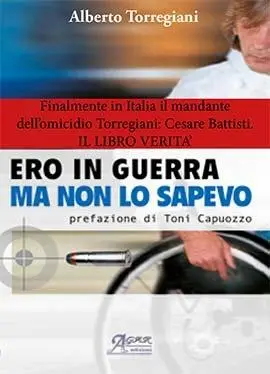
Il Libro
Ero in guerra e non lo sapevo
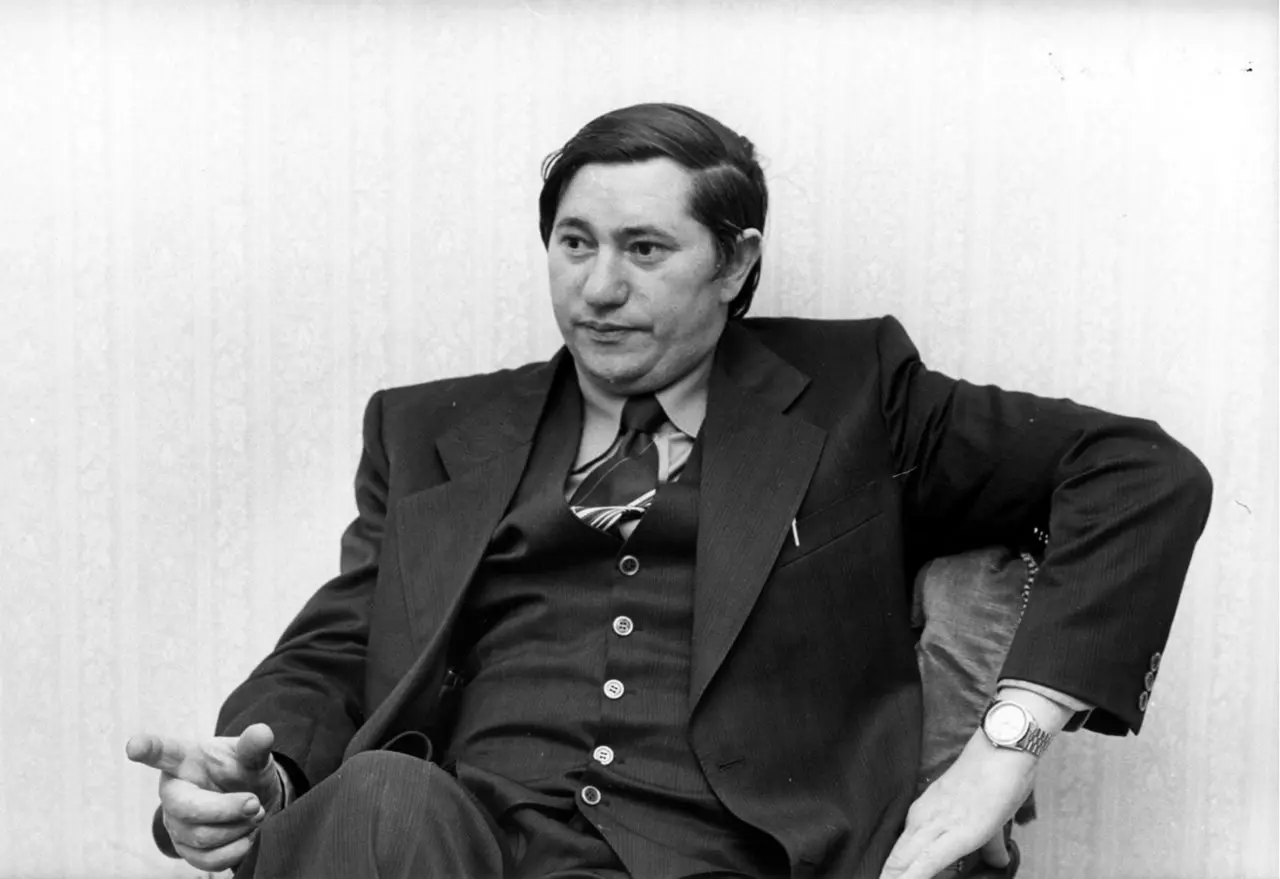
da Money.it
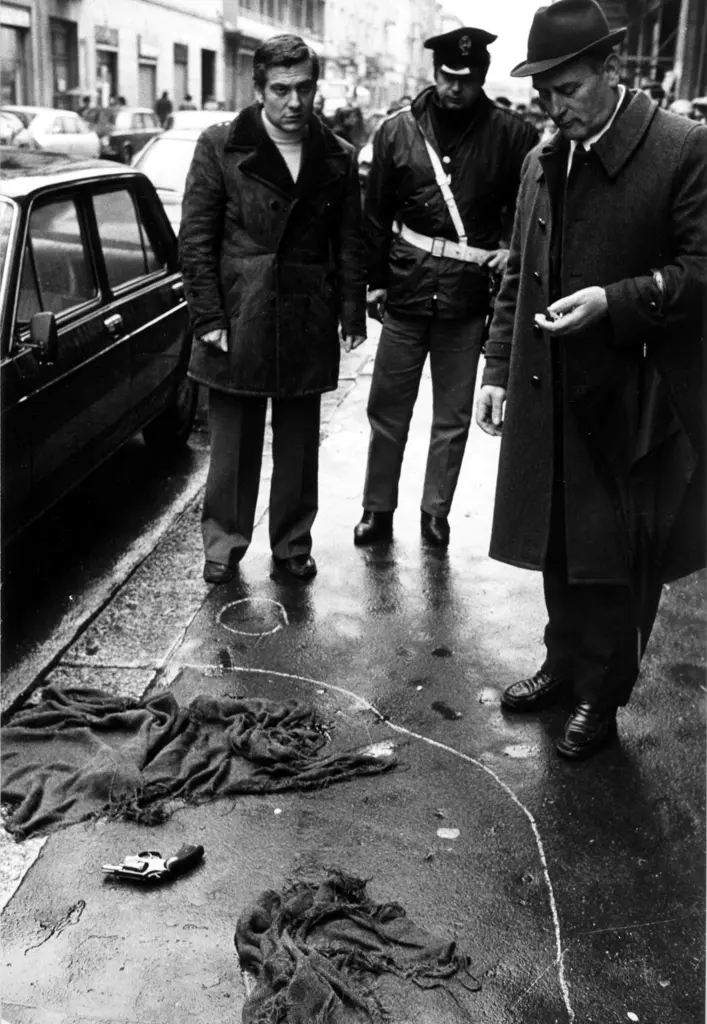
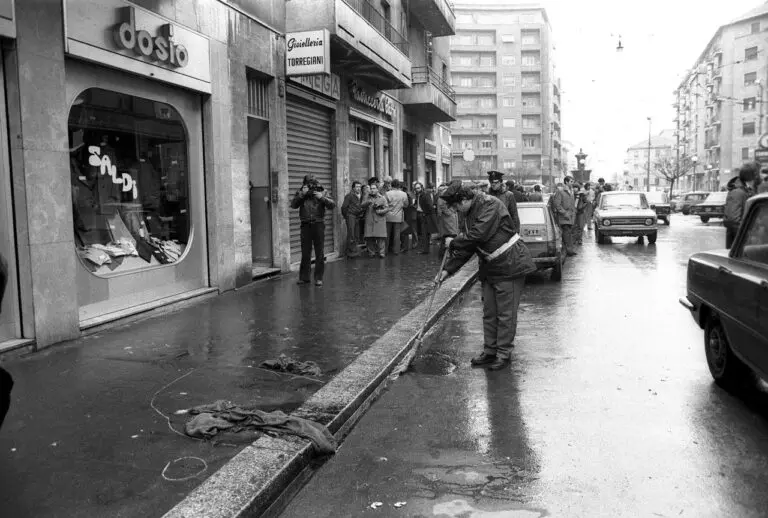
da Corriere della sera
English version
Pierluigi Torregiani, 42 years old, goldsmith
Antecedent
Pier Luigi Torregiani was a jeweler owner of a small exercise in the northern outskirts of Milan, in via Mercantini, in the ‘Bovisa’ district. Active in public life, the night before he was killed he had participated in a dinner and award ceremony, as a sports sponsor, of the Silver Saracinesca Award, awarded to the Milan goalkeeper Enrico Albertosi. He had received the Golden Ambrogino, in the form of the Certificate of Civic Benemerenza, from the mayor Carlo Tognoli, for his commitment to social and philanthropy, a prize also granted to his son Alberto in later years; a similar recognition to memory, but more prestigious (Gold Medal) will be proposed in 2011-12. Sick of lung cancer, to be treated he had to attend a Milanese hospital in the previous years where he befriended Teresa, a widow with three underage children, who was also sick. Upon the woman’s death, Torregiani and his wife adopted their three children: Anna, Marisa and Alberto.
On the evening of January 22, 1979, after an exhibition of jewelry on a private television, Torregiani suffered an attempted robbery by some thugs while he was having dinner in a pizzeria, the restaurant Il Transatlantico, in via Marcello Malpighi together with family and friends.
Torregiani and one of his companions, also armed, reacted to the attempted robbery: a scuffle was born with a consequent shooting that caused the death of one of the robbers, Orazio Daidone, 34 years old and an patron, Vincenzo Consoli, a merchant from Catania[5], as well as the wounding of other people, including Torregiani himself.[ 2][6] Another of the customers was injured. According to his son, the deadly shots that killed Daidone and Consuls did not start from the jeweler’s gun.
Alberto Torregiani argues that the PACs chose his father as a victim because he had been defamed by the local press and presented as a “justifier” (in a headline on la Repubblica) and “sheriff” against the “proletarian expropriators”: “The rectification letter that my father sent to the Notte and la Repubblica, who had described him as a headhunter hunting for robbers, was useless.” He was assigned an escort, but on the afternoon of the ambush he must leave him to rush to the scene of a robbery.
According to Cesare Battisti, a member of the PAC and one of the convicts, they considered Torregiani, like Lino Sabbadin, who would be killed the same day, as ‘far-right men who practiced self-defense, who were always armed (a kind of militia)’, ‘far-right justices’ and the ‘counter-guerrilla’, practicing summary justice. Later, the jeweler suffered several threats.
The murder
The following February 16, while he was opening the store with his children, he was the victim of an ambush by a group of fire made up of three members of the Proletarians Armed for Communism, Giuseppe Memeo, Gabriele Grimaldi[9] (son of Laura Grimaldi) and Sebastiano Masala, intent on avenging the death of the robber who was killed in the restaurant. Torregiani attempted a reaction but was hit by Memeo as soon as he pulled out his gun, from which a bullet started that reached his fifteen-year-old son Alberto in the spine, making him paraplegic. Torregiani was finished with a blow to the head by Grimaldi, after which the three terrorists fled.
The following 5 March the terrorist group, with an anonymous phone call to a journalist in Milan, indicated the place where the latter would find a statement claiming the fact in which, in addition to declaring themselves strangers to the wounding of Torregiani’s son, for which they expressed regret, the terrorists declared that the action was aimed at ‘conquering political hegemony over the small underworld’, otherwise destined to end up ‘…under the hegemony of the great underworld historically entwined with the power of capital’. This and the contemporary Sabbathin crime are then signed by the Communist Nuclei for the Proletarian Guerrilla through the flyer left in a telephone booth in Piazza Cavour in Milan. After the murder, the members of the PAC Sisinnio Bitti and Marco Masala were arrested.
Process
Trial of Cesare Battisti and other members of the PAC (Frosinone, 1981)
Giuseppe Memeo (cumulative penalty of 30 years) and Gabriele Grimaldi were convicted as material executors, and Sebastiano Masala as a competitor. For moral competition, as a participant in the meeting in which the murder was decided and therefore as co-creator and co-organizer, Cesare Battisti (13 years old, then life imprisonment on appeal for other murders) and others such as Sante Fatone and Luigi Lavazza were convicted. As instigators of the attack were recognized the members of the leadership team of the PACs, including Arrigo Cavallina and Pietro Mutti, who had reduced sentences because they became repentant: Mutti served 8 years for several crimes, Cavallina 12 (of the 22 initials), because he was dissociated and because it was recognized that he, together with Luigi Bergamin had tried to prevent the consent to the Torregiani crime.
Some PAC militants claimed to have suffered heavy torture, to make them reveal the culprits of the Torregiani murder. However, Battisti also reiterated that no one, not even under threat or torture, has ever made his name as the executor of the murders, except Pietro Mutti, in exchange for penalty discounts. Mutti also had Sisinnio Bitti arrested for the murder of Torregiani, then found not involved (he will only have a minor penalty) and a victim of police violence, together with other members of the Collective Politico della Barona, a group linked to the Autonomy Workers, which according to the investigators was linked to the PACs.
The autonomous Sisinnio Bitti, Umberto Lucarelli, Roberto Villa, Gioacchino Vitrani, Annamaria and Michele Fatone (brothers of Sante Fatone of the PAC, but not involved) will present exposed to the Judicial Authority for having suffered violence by the police[16]. Valerio Evangelisti, a writer friend of Battisti, reports that at least ten people would have confessed, under torture, that they were the material authors of the Torregiani murder. Moreover, Battisti’s own lawyer could not have built an effective defense as he was arrested because he was accused of complicity with his clients. Battisti was defended by an ex officio lawyer.[ 17] Among the witnesses in charge of some PAC defendants were also a fifteen-year-old girl, Rita Vitrani, induced to testify against her uncle Sante Fatone, and declared psychopathic by the experts; she was then temporarily arrested together with her brother in 1984, during the capture and injury of Fatone. Another witness, Walter Andreatta, fell into a state of confusion and was called ‘unbalanced’ and a victim of serious depressive crises by the same court experts. If Battisti declared himself innocent, Memeo, Grimaldi and Masala took responsibility for the Torregiani crime and never retracted.
