
Sono le 5 e trenta del 2 aprile 2015 quando un commando di al-Shabaab, i guerriglieri islamisti di origine somala, entra nell’Università di Garissa per compiere una “spedizione punitiva”: sarà una strage, con pochi eguali nella storia contemporanea.
Subito un lancio di bombe, per annientare il servizio di sorveglianza all’ingresso dell’istituto universitario: vengono così uccise le due guardie. Ma è solo l’inizio.
Mentre albeggia, i terroristi armati all’inverosimile, violano l’ingresso del dormitorio degli studenti. Urla sguaiate di terrore, spari e minacce di morte sono la sveglia fra le camerate ancora nel sonno.
Quel giorno, Giovedì santo per i numerosi cristiani al campus, la richiesta dei boia di al-Shabaab è tremenda e irridente: chi sa recitare la Shahada, la professione di fede islamica, o almeno una sura del Corano è salvo. Chi non sa farlo o si professa cristiano, viene ucciso con un colpo sparato a bruciapelo. Una carneficina, con molti corpi, poi ricomposti negli obitori di Garissa o Nairobi, sfigurati da pugnalate.
La caccia all’uomo prosegue per ore: studentesse rifugiatesi in un armadio chiamano o messaggiano a casa, fin verso le 13, prima di essere scoperte e pure loro uccise. Fra i sopravvissuti c’è chi ha parlato apertamente ai cronisti di torture.
Una giornata di sangue, lasciato a chiazze sui pavimenti dell’università nei giorni a seguire, con l’intervento della polizia che solo a sera riesce a neutralizzare il commando: i 4 boia di al-Shabaab vengono tutti uccisi verso le 21 e trenta. Quando la polizia si reimpossessa del campus, è subito polemica per la lentezza dell’azione di repressione. Il governo è messo sotto accusa per aver trascurato il problema della sicurezza all’università.
Garissa era stata completamente militarizzata, dopo essere stata colpita nel 2013 da due attentati mortali, ma quel giorno il campus era protetto da due sole guardie, le prime ad essere uccise.
Secondo fonti investigative, lo stratega dell’operazione sarebbe un ex docente dell’università e l’attacco una ritorsione contro il governo keniota, impegnato in Somalia contro i fondamentalisti.
Ma oggi, prima di tutto, quelle 148 vittime chiedono al mondo di essere ricordate.
A fianco dell’università ritornata un anno dopo in attività, è stata costruita una chiesa e una scuola per bambini. E’ solo il primo dei frutti dei 148 martiri di Garissa.
Fonti
CeiNews.it
2 aprile: in Kenya 5 anni fa la strage nel campus di Garissa assalito da al-Shabaab – CEInews
Approfondimenti
Internazionale.it
Almeno 148 morti nell’attacco di Al Shabaab contro l’università di Garissa – Internazionale
Mondo e Missione
Garissa strage di serie B – Mondo e Missione
Video
Video RayPlay
Presadiretta 2016/17 – La strage di Garissa – Video – RaiPlay
TG2000
La storia di Cinzia, sopravvissuta alla strage in Kenya nel college di Garissa
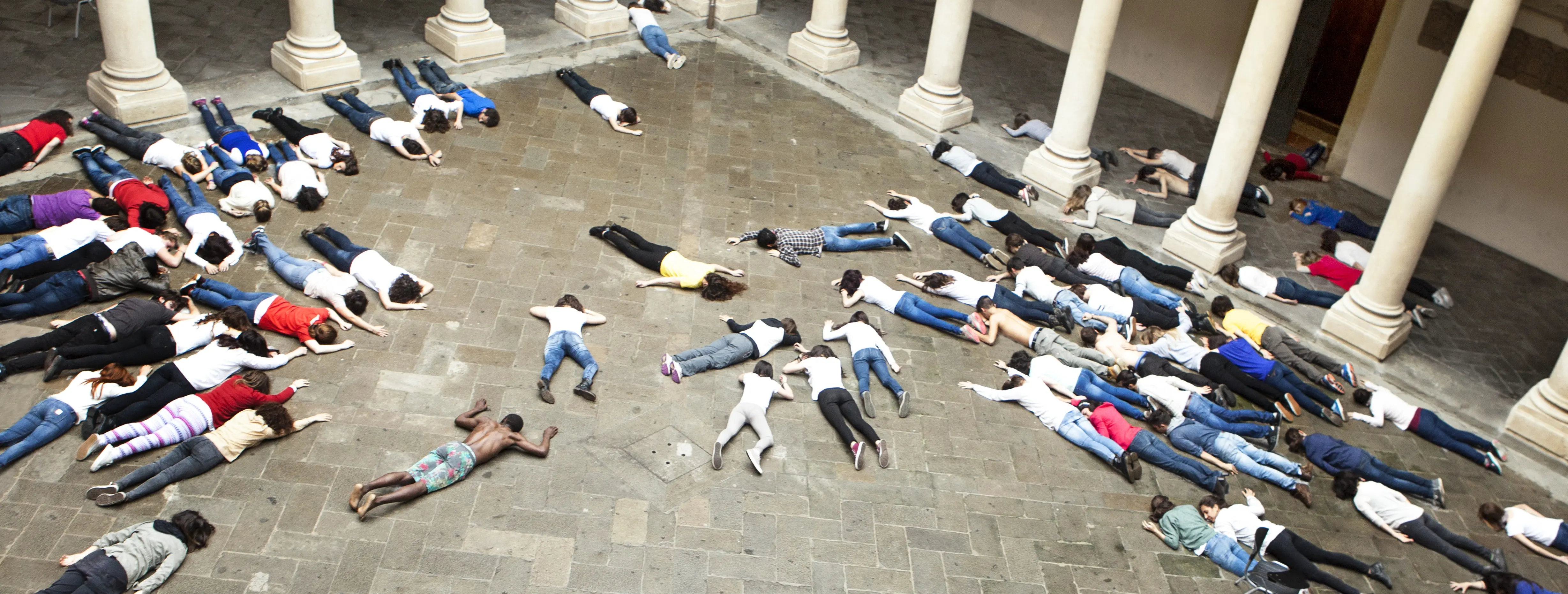
da Articolo 21
English version
MASSACRE OF GARISSA (KENYA)
It is 5:30 a.m. on April 2, 2015 when a commando of al-Shabaab, the Islamist guerrillas of Somali origin, enters the University of Garissa to make a “punitive expedition”: it will be a massacre, with few equals in contemporary history.
Immediately a bomb throw, to annihilate the surveillance service at the entrance of the university institute: the two guards are thus killed. But it’s just the beginning.
As it rises, the far-fetched armed terrorists violate the entrance to the student dormitory. Screams of terror, gunshots and death threats are the alarm clock in the dormitories still in their sleep.
That day, Holy Thursday for the many Christians on campus, the request of the executioners of al-Shabaab is tremendous and laughable: those who know how to recite the Shahada, the profession of Islamic faith, or at least a sura of the Quran are safe. Those who do not know how to do this or profess to be a Christian, are killed with a shot fired at point-blank range. A carnage, with many bodies, then recomposed in the mobitoriums of Garissa or Nairobi, disfigured by stabs.
The manhunt continues for hours: students who have taken refuge in a closet call or text home, until around 1 p.m., before being discovered and also killed. Among the survivors are those who spoke openly to reporters about torture.
A day of blood, left stained on the floors of the university in the following days, with the intervention of the police that only in the evening manages to neutralize the commando: the 4 executioners of al-Shabaab are all killed around 9 thirty. When the police re-emit the campus, it is immediately controversial over the slowness of the repressive action. The government is indicted for neglecting the security issue at the university.
Garissa had been fully militarized, after being hit in 2013 by two deadly attacks, but that day the campus was protected by only two guards, the first to be killed.
According to investigative sources, the strategist of the operation would be a former university lecturer and the attack a retaliation against the Kenyan government, engaged in Somalia against fundamentalists.
But today, first of all, those 148 victims are asking the world to be remembered.
Alongside the university that returned to business a year later, a church and a children’s school were built. It is only the first of the fruits of the 148 martyrs of Garissa.
