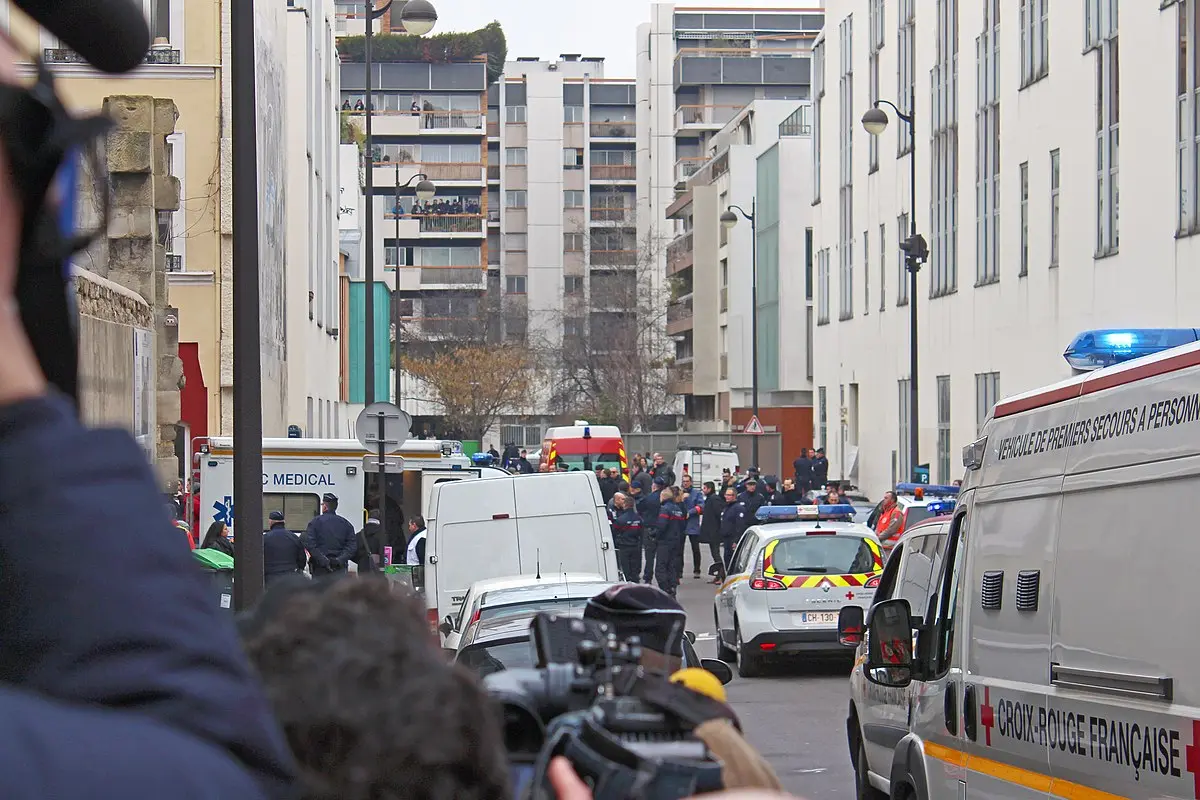
Il 7 gennaio 2015 Said e Cherif Kouachi, due fratelli jihadisti franco-algerini di 32 e 34 anni, tornati in Francia dalla Siria, mascherati e armati di kalašnikov fanno irruzione nella sede del giornale satirico Charlie Hebdo, a qualche centinaio di metri dalla Bastiglia e aprono il fuoco.
Cercano i giornalisti uno per uno e si fanno dire il nome prima di sparare.
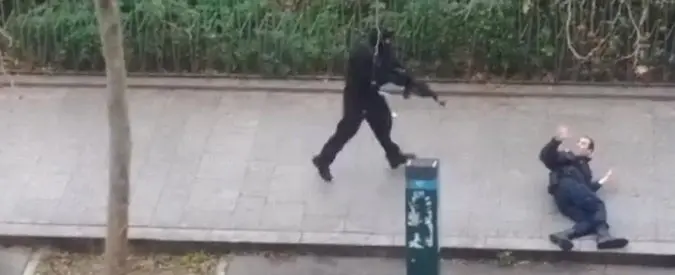
Cadono sotto i colpi del commando di terroristi Charb, il direttore, e i popolarissimi disegnatori satirici Wolinski, Cabu, Tignous e Honoré. Vengono uccisi anche il curatore editoriale Ourrad, la giornalista Cayat, l’economista Bernard Maris, che aveva una rubrica su Charlie Hebdo con lo pseudonimo di Oncle Bernard, Michel Renaud, un addetto alla portineria, un poliziotto accorso in bicicletta dal commissariato vicino e un altro che era di guardia all’interno della redazione. I killer lasciano sul terreno dodici vittime e fuggono su un’auto che devono abbandonare dopo uno scontro con un veicolo guidato da una donna. Minacciano un altro automobilista e si allontanano con la sua auto. E proprio nell’auto gli agenti hanno trovato le loro carte d’identità. Nella banlieue nord di Parigi si scatena una caccia all’uomo senza precedenti.
Braccati dalla polizia, vengono uccisi il 9 gennaio durante un conflitto a fuoco in una tipografia fuori Parigi; lo stesso giorno un loro complice, Amedy Coulibaly, 32 anni e di origini maliane, dopo aver ucciso una poliziotta l’8 gennaio, assassina altri quattro ostaggi all’interno di un supermarket dove si è asserragliato. Anche quest’ultimo, poi, perde la vita durante l’irruzione delle forze speciali francesi.
Si tratta dell’attentato più feroce compiuto in Francia dopo quello del 1961, ai tempi della guerra di Algeria. Il bilancio finale è di diciassette morti, oltre agli attentatori, e una dozzina di feriti.
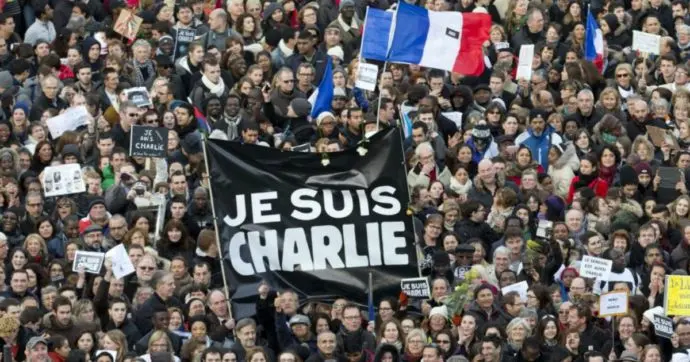
L’11 gennaio 2015 si spiega per le strade di Parigi un corteo di oltre due milioni di persone, oltre tre milioni e mezzo in tutta la Francia, che esprimono solidarietà alle vittime degli attentati e ai loro familiari. Secondo le autorità francesi si tratta della più grande manifestazione nella storia del Paese, almeno da quando si tengono queste registrazioni. Al corteo partecipano, ma isolati dal resto del corteo, i premier delle nazioni
europee e altri leader politici, come Benjamin Netanyahu e Abu Mazen. Alla manifestazione non partecipa nessun rappresentante del governo marocchino in quanto, durante tale momento di commemorazione, alcuni manifestanti mostrano immagini ritenute irrispettose della morale islamica. Gli Stati Uniti hanno partecipato con l’ambasciatrice a Parigi e la Russia col ministro degli Esteri.
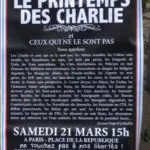
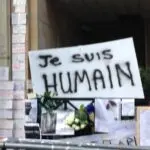
Da tutta Europa, giustamente, si è levato un coro di condanna e di solidarietà al grido “Io sono Charlie”, che esalta il coraggio del giornale satirico e lo eleva a vessillo delle libertà democratiche. All’inverso, non è mancato chi, seppur senza giustificare la violenza, ha criticato le sue modalità di espressione affermando la necessità di rispettare il credo altrui. “Io non sono Charlie” è lo slogan dei secondi. Sia dagli uni sia dagli altri, l’attentato è stato interpretato come un attacco alla libertà di espressione occidentale, un monito a rispettare la religione musulmana e la figura del Profeta.
Il 2 settembre 2020, ha avuto inizio uno dei processi più attesi della storia francese, relativo sia all’attentato terroristico avvenuto il 7 gennaio 2015 a Parigi al giornale satirico Charlie Hebdo che agli altri due eventi accaduti in quel periodo: la sparatoria a sud di Parigi che è costata la vita a una poliziotta e l’attentato al supermercato kosher in cui ci sono state 4 vittime. La tesi dell’accusa è che i tre fatti siano collegati tra di loro e che gli imputati – 14 persone in totale – abbiano partecipato attivamente all’organizzazione di ciascuno di loro. Gli esecutori materiali – i fratelli Cherif e Said Kouachi (Charlie Hebdo) e Amedy Coulibaly (autore della sparatoria a sud di Parigi e dei fatti del supermercato kosher) – sono stati uccisi dalla polizia francese durante l’arresto. Ma ci sono ancora tre ricercati, tra cui Hayat Boumeddiene, l’ex fidanzata di Coulibaly.
Per l’occasione Charlie Hebdo ha ripubblicato, in un numero speciale, le contestate vignette sull’Islam che hanno provocato la violenta reazione dei musulmani integralisti (secondo i precetti religiosi, la raffigurazione di Maometto è blasfema, a maggior ragione se accompagnata da atti osceni come nei disegni del periodico). Il direttore editoriale, Laurent Sourisseau, rimasto ferito nell’attacco, ha accompagnato la pubblicazione con un editoriale che recita: “Non ci arrenderemo mai. L’odio che ci ha colpito è ancora lì e, dal 2015, ha avuto il tempo di mutare, cambiare aspetto, passare inosservato e continuare silenziosamente la sua spietata crociata”. In copertina, inoltre, campeggia il titolo “Tout ça pour ça” (“Tutto ciò a causa di queste”).
Le 14 persone che siedono sul banco degli imputati sono accusate di essere complici dei fratelli Kouachi e Coulibaly (i tre erano anche amici di infanzia) e di aver fornito supporto logistico e materiale, fornendo le armi necessarie, per l’organizzazione degli attentati. La tesi perseguita – ma ancora tutta da dimostrare – è che le persone coinvolte facessero parte di un unico gruppo coordinato dai Kouachi e Coulibaly, benché i primi si professassero appartenenti ad al Qaeda e il secondo all’Isis.
Nel dicembre 2020 il tribunale speciale per gli attentati terroristici del gennaio 2015 contro Charlie Hebdo e l’Hyper Cacher ha escluso l’accusa di terrorismo per 6 degli 11 imputati presenti in aula. I sei sono stati giudicati colpevoli di associazione per delinquere ma senza la qualifica di terrorista. Ali Riza Polat è stato dichiarato “colpevole di complicità” con i killer, i fratelli Kouachi e Amedy Coulibaly. Condannata a 30 anni di reclusione la compagna del killer dell’Hyper Cacher, Coulibaly, Hayat Boumeddiene, in fuga dai giorni delle stragi e giudicata in contumacia. La condanna rispecchia le richieste dell’accusa, che aveva sottolineato il “ruolo importante” della donna nella preparazione degli attentati, prima di fuggire in Siria prima che fossero realizzati. Nezar Michael Pastor, Amar Ramdani e Willy Prevost sono stati riconosciuti colpevoli di associazione a delinquere terrorista. Said Makhlouf, Mohamed Fares, Abdelaziz Abbad, Metin Karasular, Miguel Martinez, Christophe Raumel sono colpevoli di associazione a delinquere senza la qualifica di terrorista. Il processo, che si è aperto tre mesi fa, è stato una dura prova, non solo per le parti civili, i sopravvissuti e i familiari delle vittime, che hanno rivissuto l’orrore di quei giorni. Vi è stata una interruzione di oltre un mese, a causa del contagio di uno degli imputati, Polat, che si è ammalato di coronavirus. E durante il dibattimento vi sono stati due attacchi terroristici: a settembre due persone sono state ferite a coltellate vicino all’ex sede di Charlie Hebdo e in ottobre è stato decapitato l’insegnante Samuel Paty che aveva mostrato vignette di Maometto in classe.
Nel settembre 2022 si apre a Parigi il processo d’appello a due presunti sostenitori degli autori degli attacchi jihadisti, vicini ad Amedy Coulibaly.
La Corte d’Assise speciale deve valutare il grado di responsabilità di ciascuna nella preparazione degli attentati. Ali Riza Polat, un franco-turco di 37 anni che rischia le accuse più pesanti e l’ergastolo, ha segnato la prima “storica” udienza con i suoi sfoghi e le sue invettive. I giudici lo avevano condannato a trent’anni di reclusione per complicità nei crimini commessi da Kouachi e Coulibaly. Il secondo imputato, Amar Ramadani, ha ricevuto la pena di 20 anni per associazione criminale terroristica. I due uomini hanno negato con forza qualsiasi legame con gli attacchi.
Il 21 ottobre 2022 Ali Riza Polat vede trasformarsi la sua condanna da 30 anni di reclusione all’ergastolo, con una pena detentiva minima di 20 anni prima di poter eventualmente beneficiare della libertà condizionale. Al contrario, Amar Ramadani ha visto la sua pena ridotta da 20 a 13 anni di reclusione.
Fonti
ArchivioDisarmo.it
La satira dissacrante: causa o pretesto per il terrorismo? – IRIAD – Archivio Disarmo
Ansa.it
Wikipedia
Attentato alla sede di Charlie Hebdo – Wikipedia
Wired.it
È iniziato il processo per la strage di Charlie Hebdo del 2015 | Wired Italia
Shalom.it
Condannati i complici degli attentati a Charlie Hebdo e all’Hyper Cacher
Approfondimento
La strage di Charlie Hebdo | Rai Radio 3 | RaiPlay Sound
La rivista
da Wikipedia
da Il fatto Quotidiano
da Il fatto Quotidiano
Immagini di Alfredo Ceraso:
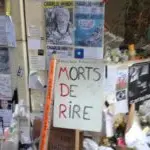
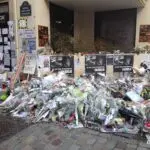
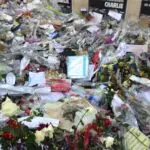
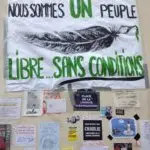
English version
PARIS – Assault on Charlie Hebdo
On January 7, 2015 Said and Cherif Kouachi, two Franco-Algerian jihadist brothers aged 32 and 34, who returned to France from Syria, masked and armed with Kalašnikovs raid the headquarters of the satirical newspaper Charlie Hebdo, a few hundred meters from the Bastille and open fire.
They look for journalists one by one and get their names told before shooting.
They fall under the blows of the terrorist commando Charb, the director, and the very popular satirical designers Wolinski, Cabu, Tignous and Honoré. Also killed are the editorial curator Ourrad, the journalist Cayat, the economist Bernard Maris, who had a column on Charlie Hebdo under the pseudonym of Oncle Bernard, Michel Renaud, a concierge attendant, a policeman who rushed by bicycle from the nearby police station and another who was on guard within the editorial office. The killers leave twelve victims on the ground and flee in a car they have to abandon after a collision with a vehicle driven by a woman. They threaten another motorist and walk away with his car. And right in the car the officers found their ID cards. In the northern banlieue of Paris, an unprecedented manhunt is unleashed.
Surveled by police, they are killed on Jan. 9 during a firefight in a printing press outside Paris; on the same day their accomplice, Amedy Coulibaly, 32, of Malian descent, after killing a policewoce on January 8, murders four other hostages inside a supermarket where he barricaded himself. The latter, too, then, loses his life during the raid of the French special forces.
This is the most ferocious attack in France since that of 1961, at the time of the Algerian War. The final toll is seventeen deaths, in addition to the bombers, and a dozen wounded.
On 11 January 2015, a procession of more than two million people, more than three and a half million throughout France, expressed solidarity with the victims of the attacks and their families, was launched on the streets of Paris. According to the French authorities, this is the largest event in the history of the country, at least since these records have been kept. The procession participates, but isolated from the rest of the procession, the premieres of the nations
Europeans and other political leaders, such as Benjamin Netanyahu and Abu Mazen. No representative of the Moroccan government participates in the demonstration as, during this moment of commemoration, some protesters show images deemed to be disrespectful of Islamic morality. The United States participated with the ambassador in Paris and Russia with the foreign minister. Il
From all over Europe, quite rightly, there has been a chorus of condemnation and solidarity to the cry ‘I am Charlie’, which exalts the courage of the satirical newspaper and elevates it to the banner of democratic freedoms. Conversely, there was no shortage of those who, albeit without justifying the violence, criticized his modes of expression by stating the need to respect the beliefs of others. “I am not Charlie” is the slogan of the second. By both and the other, the attack was interpreted as an attack on Western freedom of expression, a warning to respect the Muslim religion and the figure of the Prophet.
On September 2, 2020, one of the most anticipated trials in French history began, relating both to the terrorist attack on January 7, 2015 in Paris to the satirical newspaper Charlie Hebdo and to the other two events that occurred in that period: the shooting in the south of Paris that cost the life of a policewoman and the attack on the kosher supermarket in which there were 4 victims. The prosecution’s argument is that the three facts are linked to each other and that the defendants – 14 people in total – were actively involved in the organization of each of them. The material performers – brothers Cherif and Said Kouachi (Charlie Hebdo) and Amedy Coulibaly (author of the shooting in south Paris and the events of the kosher supermarket) – were killed by French police during the arrest. But there are still three wanted, including Hayat Boumeddiene, Coulibaly’s ex-girlfriend.
For the occasion Charlie Hebdo has republished, in a special issue, the contested cartoons on Islam that provoked the violent reaction of fundamentalist Muslims (according to religious precepts, the depiction of Mahmom is blasphemous, all the more so if accompanied by obscene acts as in the drawings of the periodical). The editorial director, Laurent Sourisseau, who was injured in the attack, accompanied the publication with an editorial that reads: “We will never give up. The hatred that struck us is still there and, since 2015, he has had time to change, change appearance, go unnoticed and silently continue his ruthless crusade.” On the cover, moreover, stands the title “Tout ça pour ça” (“All this because of these”).
The 14 people who sit in the dock are accused of being accomplices of the brothers Kouachi and Coulibaly (the three were also childhood friends) and of having provided logistical and material support, providing the necessary weapons, for the organization of the attacks. The thesis pursued – but still to be proven – is that the people involved were part of a single group coordinated by the Kouachi and Coulibaly, although the former professed to belong to al Qaeda and the second to ISIS.
In December 2020, the special court for the January 2015 terrorist attacks against Charlie Hebdo and the Hyper Cacher ruled out the accusation of terrorism for 6 of the 11 defendants present in the courtroom. The six were found guilty of association for committing a crime but without the qualification of terrorist. Ali Riza Polat has been found “gulpty of complicity” with the killers, brothers Kouachi and Amedy Coulibaly. Sentenced to 30 years in prison the companion of the Hyper Cacher killer, Coulibaly, Hayat Boumeddiene, fleeing from the days of the massacres and judged in absentia. The conviction reflects the demands of the prosecution, who had stressed the ‘important role’ of the woman in the preparation of the attacks, before fleeing to Syria before they were carried out. Nezar Michael Pastor, Amar Ramdani and Willy Prevost have been found guilty of associating with terrorist criminals. Said Makhlouf, Mohamed Fares, Abdelaziz Abbad, Metin Karasular, Miguel Martinez, Christophe Raumel are guilty of criminal association without the qualification of terrorist. The trial, which opened three months ago, was a tough test, not just for the civilian parties, survivors and family members of the victims, who relived the horror of those days. There was an interruption of more than a month, due to the contagion of one of the defendants, Polat, who fell ill with coronavirus. And during the debatment there were two terrorist attacks: in September two people were stabbed to death near Charlie Hebdo’s former headquarters and in October the teacher Samuel Paty who had shown Mamot cartoons in the classroom was beheaded.
In September 2022, the appeal process opens in Paris for two alleged supporters of the perpetrators of the jihadist attacks, close to Amedy Coulibaly.
The Special Court of Assizes must assess the degree of responsibility of each in the preparation of the attacks. Ali Riza Polat, a 37-year-old Franco-Turkish who faces the heaviest charges and life imprisonment, marked the first “historic” hearing with his outbursts and invectives. The judges had sentenced him to thirty years in prison for complicity in the crimes committed by Kouachi and Coulibaly. The second defendant, Amar Ramadani, received a 20-year sentence for terrorist criminal association. The two men forcefully denied any connection to the attacks.
On October 21, 2022, Ali Riza Polat sees his 30-year sentence of life imprisonment transformed, with a minimum prison sentence of 20 years before he can possibly benefit from parole. On the contrary, Amar Ramadani saw his sentence reduced from 20 to 13 years in prison.
